 how-to
How to Remove Stubborn Pet Stains: Step-by-Step
Table of Contents
- Immediate Steps for Fresh Pet Stains
- Natural DIY Cleaning Solutions for Pet Accidents
- Best Enzymatic Cleaner for Pet Urine Removal
- How to Remove Pet Urine Smell from Carpet
- Cleaning Pet Stains from Upholstery and Delicate Fabrics
- Tackling Old and Set-In Pet Stains
- Professional Carpet Cleaning for Pet Stains
- Safety Considerations for Pets During Stain Removal
- Frequently Asked Questions
Last Updated: October 1, 2026
Immediate Steps for Fresh Pet Stains
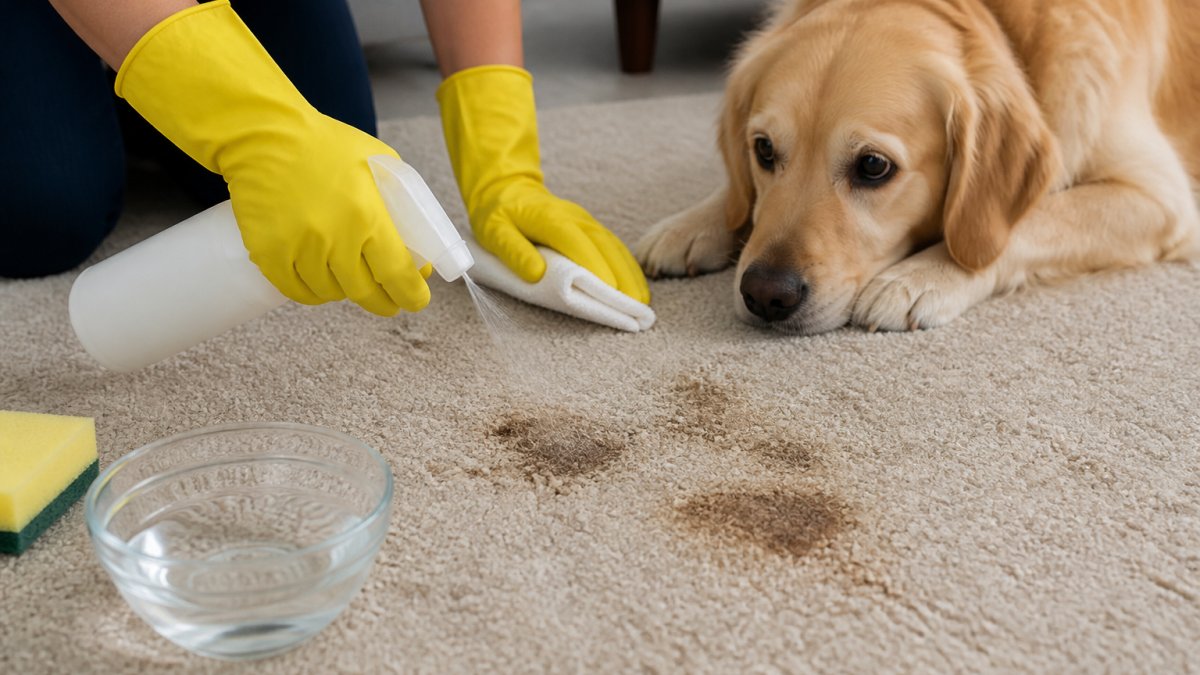
When your pet has an accident, understanding how to remove stubborn pet stains starts with knowing the first few minutes matter more than you'd think.
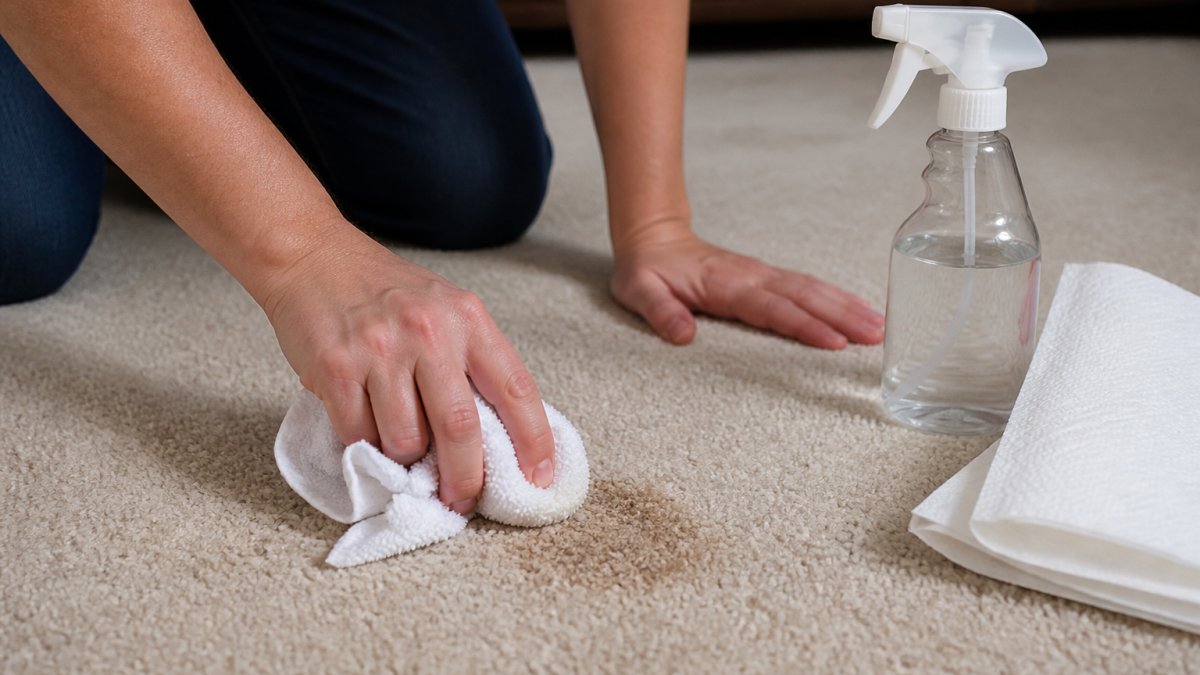
The key is speed and the right technique. Blot the stain immediately with an absorbent cloth or paper towels. Press down firmly to pull moisture out of the carpet.
Blotting vs. Rubbing: Why Technique Matters
Blotting means pressing a cloth straight down onto the stain and holding it there.
Think of it this way: a fresh stain sits on top of the carpet fibers. Blotting extracts the moisture before it soaks down.
Blot for 30 seconds at a time. Flip to a fresh section of cloth and repeat until the stain stops transferring to your cloth.
Testing for Colorfastness Before Cleaning
Before you apply any cleaning solution, test it on a hidden corner of your carpet.
Mix your chosen cleaner with water according to directions. Apply a small amount to an inconspicuous area like the corner of a closet or under furniture.
This step takes two minutes and prevents thousands of dollars in carpet replacement. Skip it at your own risk.
Natural DIY Cleaning Solutions for Pet Accidents
Vinegar and baking soda work for fresh stains because they neutralize odors and break down some organic compounds. Hydrogen peroxide tackles protein-based stains that vinegar alone can't dissolve.
These methods work best on stains caught within hours. For older stains or deep odor problems, natural solutions often fall short, but they're worth trying first.
White Vinegar and Baking Soda Method
Mix one part white vinegar with one part water in a spray bottle.
Blot thoroughly with clean cloths. Sprinkle baking soda over the damp area. Let it sit for 30 minutes to absorb remaining moisture and odor.
This method works for surface stains. It won't reach odors trapped in carpet padding or subflooring beneath the stain.
Hydrogen Peroxide for Protein-Based Stains
Hydrogen peroxide breaks down protein molecules that make pet stains stubborn.
Test it on hidden carpet first. Apply to the stain and let it sit for 5-10 minutes. The solution may bubble slightly as it works.
Don't oversaturate the carpet. Too much liquid pushes the stain deeper and takes longer to dry.
Best Enzymatic Cleaner for Pet Urine Removal
Enzymatic cleaners contain bacteria and enzymes that digest the organic compounds in pet urine. They're the most effective option for breaking down protein-based stains and eliminating odors at the source.
Unlike vinegar or peroxide, enzymatic cleaners keep working even after you blot. They continue breaking down stain molecules for hours or even days, which is why they outperform DIY solutions on stubborn accidents.
How Enzymatic Cleaners Break Down Stains
Pet urine contains urea, uric acid, and other proteins.
The enzymes in these products target protein chains and break them apart. Bacteria in the formula consume the broken-down particles.
The trade-off is time. Enzymatic cleaners need moisture and warmth to work. They require longer dwell time than vinegar or peroxide.
Applying and Dwell Time for Best Results
Read the product instructions carefully. Different brands have different mixing ratios and application methods.
Apply the solution until the carpet is visibly wet. The moisture activates the enzymes.
After the dwell time, blot the area thoroughly. Extract as much liquid as possible with clean cloths or a wet-dry vacuum. Allow the carpet to air dry completely.
How to Remove Pet Urine Smell from Carpet
Odor and stains are separate problems. You can remove the visible stain but still smell urine. This happens because urine soaks through carpet fibers and into the padding and subflooring beneath. Surface cleaning doesn't reach these layers.
Identifying where the smell lives is the first step to eliminating it completely.
Identifying Odor Sources in Carpet Padding and Subflooring
If the smell persists after you've cleaned the surface, the urine has penetrated deeper.
Check the area around the visible stain. Urine spreads sideways as it soaks, so the smell zone is often larger than the stain zone.
If the smell is strong or covers a large area, the padding and subflooring are saturated. Surface treatments won't eliminate the problem.
Odor Neutralizers vs. Surface Deodorizers
Surface deodorizers mask smells temporarily. They include sprays, powders, and scented products that cover the odor without removing it.
Odor neutralizers chemically break down the compounds causing the smell. Enzymatic cleaners are one type. Baking soda works by absorbing odors.
For persistent odors, use an odor neutralizer, not a deodorizer.
Cleaning Pet Stains from Upholstery and Delicate Fabrics
Upholstery requires gentler handling than carpet. Fabric can be damaged by aggressive scrubbing, excessive moisture, or harsh chemicals.
Blot fresh stains immediately with absorbent cloths. For upholstery, use less liquid than you would for carpet.
Mix a mild solution of one part white vinegar to three parts water, or use a diluted enzymatic cleaner made for upholstery.
For valuable or delicate furniture, professional cleaning is safer than DIY attempts.
Tackling Old and Set-In Pet Stains
Learning how to remove stubborn pet stains becomes more challenging when they're old, because the urine has dried and bonded to the carpet fibers. The stain has also likely soaked into the padding and subflooring. Surface solutions rarely work on these stains.
Understanding why DIY methods fail on dried stains helps you choose a better approach.
Why DIY Methods Fail on Dried Stains
Vinegar and baking soda work by reacting with fresh urine. Once urine dries, the chemical composition changes.
Hydrogen peroxide struggles with old stains for the same reason. It's designed to oxidize fresh organic material.
Enzymatic cleaners have a better chance because they target the protein molecules themselves, not just the fresh urine.
Moisture Extraction and Saturation Techniques
The most effective approach for old stains involves heavy saturation followed by extraction.
Apply an enzymatic cleaner or vinegar solution very generously.
After the dwell time, extract as much liquid as possible using a wet-dry vacuum or carpet extraction machine.
This process works better than single applications because it gives the cleaner time to work on deeply set stains.
Professional Carpet Cleaning for Pet Stains
Professional cleaners have equipment and products that outperform rental machines and DIY solutions. They also understand how to approach different types of stains and carpet materials without causing damage.
Mighty Clean Services specializes in professional carpet and upholstery care. Our certified team is committed to ensuring your space looks its absolute best.
When to Call a Professional vs. DIY
DIY methods work for fresh stains caught within hours. If you've blotted quickly and the stain is still wet, vinegar and baking soda or an enzymatic cleaner may solve the problem.
Call a professional if:
- The stain is more than a few days old
- The smell persists after you've cleaned the surface
- The stain covers a large area or you have multiple accidents
- You're unsure which cleaning method is safe for your carpet type
- You need the carpet dry quickly for work-from-home schedules
Professional cleaning also prevents the problem from coming back. Many homeowners try DIY methods, think they've solved the problem, and then the stain reappears weeks later.
Equipment and Methods That Outperform Rental Machines
Rental carpet cleaners from grocery stores use hot water extraction, but with limited power and capacity.
Professional-grade equipment heats water to higher temperatures, which activates enzymatic cleaners more effectively.
Professional cleaners also use specialized products designed for pet stains.
The combination of superior equipment, extraction power, and professional-grade products is why professional cleaning removes stains that DIY methods can't touch.
Safety Considerations for Pets During Stain Removal
Many cleaning products are safe for pets when used correctly, but some are toxic if ingested or inhaled.
Vinegar and baking soda are pet-safe when used as directed.
Keep pets away from the treated area while the cleaner is working and while the carpet dries.
If your pet has allergies or respiratory sensitivity, mention this before professional cleaning.
Pet accidents don't have to become permanent problems. Fresh stains respond to quick action and the right technique. Older stains need enzymatic cleaners or professional extraction to remove completely. Mighty Clean Services specializes in pet stain removal using state-of-the-art equipment and proven methods that eliminate both stains and odors. Our certified team assesses your carpet type and stain severity to recommend the best approach. BOOK AN APPOINTMENT with Mighty Clean Services and reclaim your clean home.
Frequently Asked Questions
Can baking soda and vinegar really remove pet urine stains?
Baking soda and white vinegar can neutralize odors and lift fresh stains, but they have limitations. Baking soda absorbs moisture and odors, while vinegar's acidity helps break down residue. However, this method often fails on deep or set-in pet stains because it doesn't fully penetrate carpet padding where urine soaks. For stubborn stains, enzymatic cleaners are more effective since they target the protein-based components of pet urine that baking soda alone cannot address.
How do you remove dried-in pet stains from carpet?
Old pet stains require moisture reactivation and extraction. First, apply a cleaning solution (enzymatic cleaner works best) and allow it to dwell for 12-24 hours to penetrate carpet fibers and padding. Use a damp cloth to work the solution deeper, then extract moisture with a wet-dry vacuum or professional extraction equipment. For stains that have set into carpet padding or subflooring, professional extraction with hot water and specialized equipment is often necessary to fully remove both the stain and odor.
What is the strongest pet stain remover?
Enzymatic cleaners are the strongest option for pet stains because they contain bacteria and enzymes that break down the proteins in urine, feces, and vomit at a molecular level. Unlike vinegar or baking soda, enzymatic cleaners address the root cause of staining. Hydrogen peroxide can also be effective for certain stain types, especially protein-based accidents on light-colored carpets. For professional-strength results, hot-water extraction combined with enzymatic treatment removes both visible stains and embedded odors that DIY methods miss.
Does hydrogen peroxide remove pet urine stains?
Hydrogen peroxide works on fresh pet stains, particularly protein-based accidents like vomit or feces. It breaks down organic matter and can lift discoloration from light-colored carpets. However, test it on a hidden area first because hydrogen peroxide can bleach or damage darker fabrics. It is less effective than enzymatic cleaners for urine specifically, since urine contains compounds that require enzymatic breakdown. For best results on urine stains, combine hydrogen peroxide with enzymatic cleaners or use enzymatic products alone.