 ultimate-guide
Best Carpet Cleaning Methods for Allergies
Table of Contents
- Understanding Allergens in Your Carpet
- Hot Water Extraction vs. Dry Cleaning Methods
- HEPA Vacuum for Allergies: Why It Matters
- Carpet Cleaning Frequency for Allergy Sufferers
- Is Professional Carpet Cleaning Safe for Pets
- Avoiding Harsh Chemicals and VOCs
- Post-Cleaning Drying Protocols and Moisture Control
- Carpet Pad and Subfloor Maintenance for Long-Term Allergen Control
- Frequently Asked Questions
Last Updated: October 4, 2026
Understanding Allergens in Your Carpet
Carpets are magnets for allergens. Dust mites, pet dander, pollen, and mold spores settle deep into carpet fibers where regular vacuuming can't reach them. If you or your family members suffer from allergies, understanding what's hiding in your carpet is the first step toward breathing easier at home.
The best carpet cleaning methods for allergies go beyond surface cleaning. They target the microscopic particles embedded in carpet fibers and the moisture conditions that allow allergens to thrive. The difference between a standard cleaning and an allergy-focused approach comes down to method, frequency, and the equipment used.
Common carpet allergens include dust mite colonies (which feed on dead skin cells), pet dander from dogs and cats, pollen tracked indoors, mold spores that grow in damp conditions, and volatile organic compounds (VOCs) released from synthetic fibers and cleaning products. Each requires a different removal strategy.
Hot Water Extraction vs. Dry Cleaning Methods
This is where most people get the decision wrong. They assume all professional cleaning works the same way. It doesn't.
How Hot Water Extraction Works
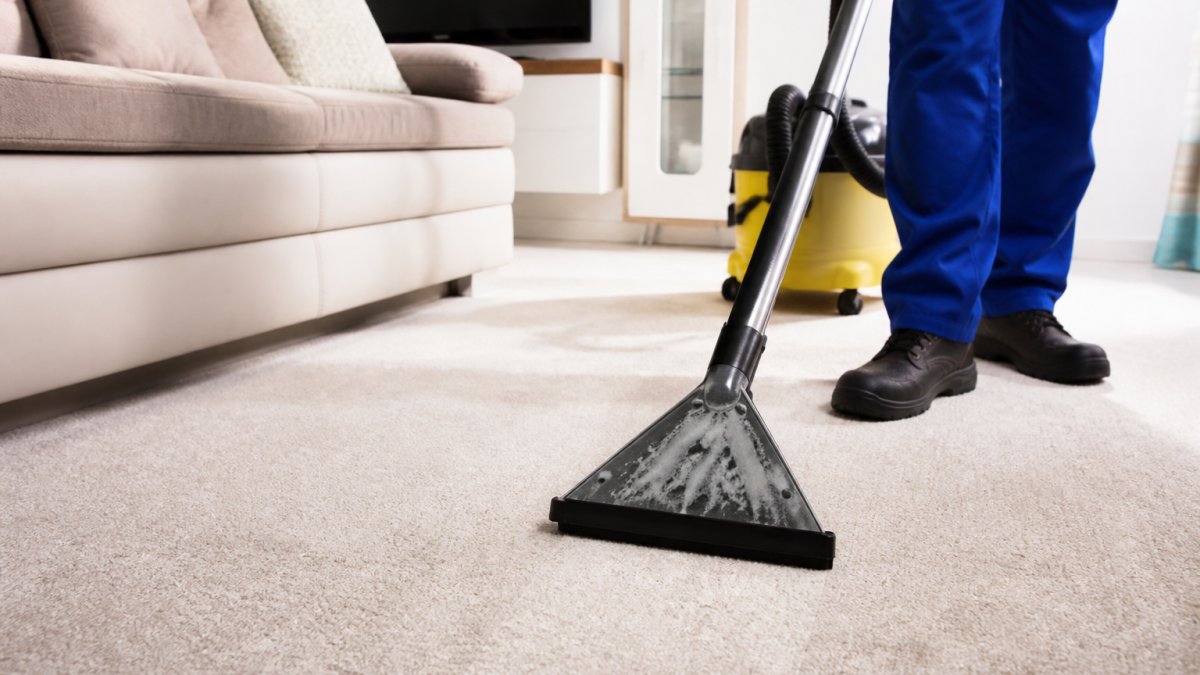
Hot water extraction, also called steam cleaning, uses high-temperature water (typically 200-220°F) and cleaning solution injected deep into carpet fibers under pressure. The heat breaks down allergen proteins, denatures dust mite allergens, and kills active mold spores. A powerful vacuum then extracts the water, allergens, and soil together in a single pass.
The process reaches deeper into carpet fibers than dry methods, which makes it effective at allergen removal, particularly for homes with pets or heavy dust mite populations. However, there is a critical tradeoff: moisture. Hot water extraction leaves carpets damp for 12-24 hours or longer, depending on humidity, air circulation, and carpet thickness. If your carpet doesn't dry properly, mold and mildew can colonize the carpet pad and subfloor, creating new allergen problems within 48-72 hours. This is the part most guides miss: the drying phase is as important as the cleaning phase itself.
Post-Extraction Drying Protocol for Allergy Safety:
For allergy sufferers, hot water extraction works best when followed by aggressive drying protocols:
- Air circulation: Run high-powered fans (box fans or air movers) across the cleaned carpet for at least 12-18 hours. Position fans to push air across the carpet surface and toward open windows or doors.
- Dehumidification: Use a portable dehumidifier to pull moisture from the air. Target indoor humidity between 30-50% (the range where dust mites cannot reproduce). In humid climates, dehumidifiers are essential; without them, drying time extends to 24+ hours.
- Ventilation: Open windows and doors to increase air exchange. Keep interior doors open so air circulates freely throughout the home. Do not seal off cleaned areas, closed rooms trap moisture and slow evaporation.
- Timing: Ideally, schedule professional extraction during low-humidity periods (fall or winter in most climates) and avoid rainy days when outdoor humidity is high.
If your carpet still feels damp after 24 hours, contact your cleaning service. Prolonged dampness indicates either incomplete extraction or inadequate drying conditions in your home. Continuing to live with damp carpet increases mold risk exponentially and defeats the purpose of allergen removal.
Dry Cleaning and Encapsulation Techniques
Dry cleaning methods use minimal moisture, relying instead on specialized compounds applied to carpet fibers. Encapsulation cleaning applies a polymeric solution that crystallizes around soil particles and allergens, trapping them so they can be vacuumed away. The carpet dries within 1-2 hours.
The advantage is speed and reduced moisture risk. The limitation is depth. Dry methods do not penetrate as far into fibers or reach the carpet pad where dust mites, mold spores, and pet dander accumulate. For light allergen loads or maintenance cleaning, dry methods are sufficient.
Combination Approach for Long-Term Control:
Many allergy sufferers find that a hybrid schedule delivers the best results: quarterly dry cleaning or encapsulation for maintenance, paired with annual hot water extraction for deep allergen removal. This approach keeps allergen levels manageable while minimizing moisture exposure. The dry cleanings maintain carpet between deep cleanings, and the annual extraction targets the pad and subfloor where allergens concentrate.
Choose your method based on your home's humidity profile, carpet condition, and allergy severity. In humid climates, lean toward dry cleaning more frequently. In dry climates, hot water extraction with proper fans and dehumidifiers is safe and highly effective.
HEPA Vacuum for Allergies: Why It Matters
Standard vacuums recirculate microscopic particles back into the air. A HEPA filter captures 99.97% of particles 0.3 microns or larger, including dust mite allergens, pet dander, and pollen (the EPA). This is non-negotiable for allergy sufferers.
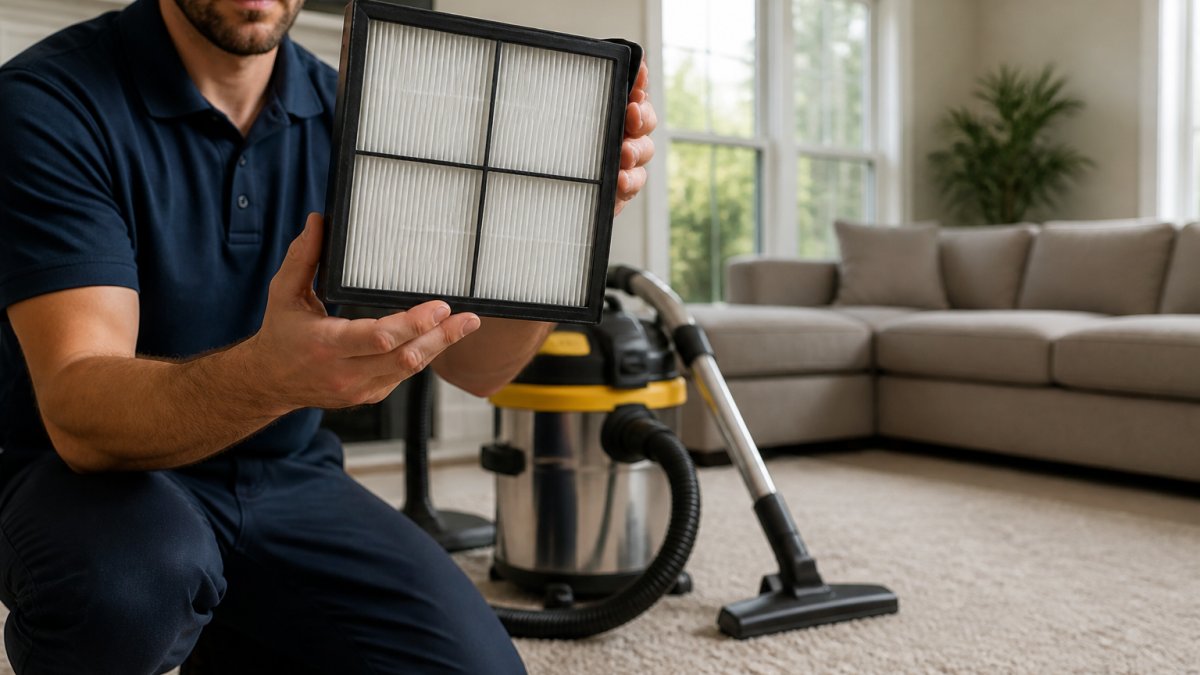
The difference between a HEPA-equipped vacuum and a standard one becomes obvious within weeks. Allergy symptoms improve because the vacuum removes allergens instead of spreading them. When you hire a professional carpet cleaning service, confirm they use HEPA-equipped extraction equipment. This detail separates adequate cleaning from allergy-safe cleaning.
Vacuuming frequency matters too. For homes with allergies, vacuuming should happen 2-3 times weekly with a HEPA vacuum, focusing on high-traffic areas and bedrooms. Between professional cleanings, this routine maintenance keeps allergen levels manageable.
Carpet Cleaning Frequency for Allergy Sufferers
Standard guidance suggests professional cleaning once yearly. For allergy sufferers, that's not enough.
Dust mites reproduce rapidly in carpet environments. Pet dander accumulates faster than most people realize. Pollen and mold spores settle continuously. A single annual cleaning leaves a 12-month window for allergen buildup.
Most allergy sufferers benefit from professional cleaning every 3-6 months. High-traffic homes with pets may need cleaning every 2-3 months. The frequency depends on the number of residents, pet presence, humidity levels, and symptom severity.
This schedule sounds expensive, but consider the alternative: persistent allergy symptoms, disrupted sleep, and reduced indoor air quality. Professional cleaning at this frequency is a health investment, not just maintenance.
Is Professional Carpet Cleaning Safe for Pets
Pet owners often worry that professional cleaning will harm their pets or leave residues that cause problems. The answer depends on the chemicals used and the drying process.
Traditional carpet cleaning solutions can contain harsh chemicals and strong fragrances that irritate pets' respiratory systems and skin. Some products are toxic if ingested during grooming. This is a legitimate concern.
Safe alternatives exist. Fragrance-free, pet-safe cleaning solutions eliminate allergens without chemical irritation. Enzymatic cleaners break down organic matter (pet urine, dander, saliva) without synthetic compounds. When you book professional cleaning, ask specifically about pet-safe products. A reputable service uses products formulated to be safe for households with animals while still delivering deep cleaning power.
The drying phase also matters for pets. Wet carpets create ideal conditions for bacteria and mold growth, which can affect pets more severely than humans. Proper drying protocols protect both your pets and your indoor air quality.
Avoiding Harsh Chemicals and VOCs
Volatile organic compounds are chemicals released from synthetic carpet fibers, cleaning products, and adhesives. They off-gas into the air you breathe, triggering allergic reactions and respiratory issues, especially in people with asthma or chemical sensitivities.
Many commercial carpet cleaning solutions contain high VOC levels. They clean effectively but leave your home's air quality compromised for days after cleaning. For allergy sufferers, this defeats the purpose.
Specify low-VOC or zero-VOC cleaning solutions when booking professional service. These products are increasingly available and deliver comparable cleaning results without chemical irritation. Natural alternatives like vinegar and baking soda work for light cleaning, though they lack the penetration power of professional equipment.
After any professional cleaning, ventilate your home thoroughly. Open windows, run fans, and allow air circulation for at least 12 hours. This clears residual VOCs and speeds the drying process. If you're sensitive to chemical odors, leave your home during cleaning and for several hours afterward.
Post-Cleaning Drying Protocols and Moisture Control
This is the section that separates adequate cleaning from allergy-safe cleaning. Improper drying creates mold and mildew, which are potent allergen sources.
After hot water extraction, carpets should feel only slightly damp, not wet. Aggressive drying protocols include running high-powered fans across the carpet, using dehumidifiers to pull moisture from the air, and opening windows to increase air circulation. In humid climates, this process takes 18-24 hours. In dry climates, 12-14 hours.
Never seal off the cleaned area. Closed rooms trap moisture and slow drying, creating perfect conditions for mold growth. Keep doors open, run ceiling fans, and maintain airflow throughout your home.
If your carpet still feels damp after 24 hours, something went wrong, either the extraction wasn't thorough enough or your home lacks adequate ventilation. Contact your cleaning service immediately. Continuing to live with damp carpet increases mold risk and allergen problems.
Humidity levels matter. Dust mites thrive in humidity above 60%. After cleaning, keep indoor humidity between 30-50% using a dehumidifier if necessary. This prevents allergen regrowth and protects your carpet investment.
Carpet Pad and Subfloor Maintenance for Long-Term Allergen Control
Most people focus on the visible carpet and ignore what's underneath. The carpet pad and subfloor are where allergen problems often originate.
Carpet pads absorb moisture, dust, and allergens over time. If your pad stays damp after cleaning, mold colonizes it, spreading allergens upward into the carpet fibers above. Some pads are naturally more allergen-prone than others.
Subfloors accumulate dust mites and mold in the same way. Water damage, high humidity, or poor ventilation beneath the carpet creates ideal conditions for allergen growth. Before installing new carpet, ensure the subfloor is completely dry and clean.
For existing carpet, you can't easily access the pad and subfloor, but you can manage moisture to prevent problems. Use a dehumidifier during humid seasons, ensure proper ventilation under and around your carpet, and address any water leaks immediately.
The best carpet cleaning methods for allergies include maintenance of what's underneath. This long-term approach keeps allergen levels low and prevents expensive damage.
Allergen-filled carpets affect your family's health every day. The best carpet cleaning methods for allergies combine proper cleaning technique, appropriate frequency, and thorough drying.
Frequently Asked Questions
What is the best way to clean my carpet if I have allergies?
Hot water extraction combined with HEPA filtration is highly effective for allergy sufferers. This method penetrates deep carpet fibers to remove dust mites, pet dander, pollen, and microscopic allergens. Professional-grade equipment extracts moisture thoroughly, preventing mold spores from developing. Pair this with regular vacuuming using a HEPA-filter vacuum between professional cleanings, and ensure proper drying to maintain indoor air quality and respiratory health.
How often should carpets be cleaned to reduce indoor allergens?
For allergy sufferers, carpets should be professionally cleaned every 3 to 6 months, depending on household conditions. Homes with pets, multiple family members, or high pollen exposure may benefit from quarterly cleaning. Between professional cleanings, vacuum with a HEPA-filter vacuum at least twice weekly to capture airborne particles and prevent allergen accumulation in carpet fibers.
Are HEPA-filter vacuums effective for allergy relief?
Yes, HEPA-filter vacuums are highly effective at capturing microscopic allergens. HEPA filters trap 99.97% of particles 0.3 microns or larger, including dust mites, pet dander, and pollen. However, they work best as a maintenance tool between professional cleanings. Professional hot water extraction removes deeper soil and allergens that surface vacuuming cannot reach, making the combination of HEPA vacuuming and periodic professional cleaning the most effective approach for managing allergies.
Can carpet cleaning trigger allergies if done incorrectly?
Yes, improper cleaning can temporarily worsen allergy symptoms. If moisture isn't controlled during drying, mold spores can develop, aggravating respiratory issues. Using harsh chemicals or volatile organic compounds (VOCs) can trigger reactions in sensitive individuals. Professional methods that prioritize low-moisture cleaning, fragrance-free products, and proper drying protocols minimize these risks. Ensure your cleaning provider uses residue-free techniques and allows adequate drying time before occupying cleaned areas.
Is professional carpet cleaning safe for pets?
Professional carpet cleaning is safe for pets when the right methods and products are used. Hot water extraction and encapsulation techniques don't rely on toxic chemicals. Choose providers using fragrance-free, pet-safe formulations without harsh VOCs. Ensure pets are kept away during cleaning and drying, typically 24 hours. After cleaning, verify the carpet is completely dry before pets return to prevent moisture-related issues. Professional cleaners can remove pet dander and allergens without harming your animals.
Does carpet cleaning get rid of allergens?
Professional carpet cleaning significantly reduces allergens when using proper methods. Hot water extraction removes dust mites, pet dander, pollen, and other microscopic allergens trapped deep in carpet fibers. However, complete allergen elimination is impossible, some particles remain in the carpet structure. Regular professional cleaning combined with HEPA vacuuming and humidity control provides the best allergen reduction. For severe allergies, consider hypoallergenic synthetic fibers or hard flooring alternatives alongside professional cleaning.