 blog
blog
Professional Rug Cleaning Macon GA: 2026 Guide
Table of Contents
- What Professional Rug Cleaning in Macon GA Actually Involves
- Comparing Professional Rug Cleaning Services in Macon
- How to Choose a Rug Cleaner: Credentials, Methods, and Red Flags
- Oriental Rug Cleaning Cost: What Drives the Price
- How Often to Clean Area Rugs (and When to Call a Pro)
- Stain Removal, Pet Odor Elimination, and Delicate Fabric Care
- Pickup, Delivery, and Drying: What to Expect
- Frequently Asked Questions
Last Updated: September 13, 2026
What Professional Rug Cleaning in Macon GA Actually Involves
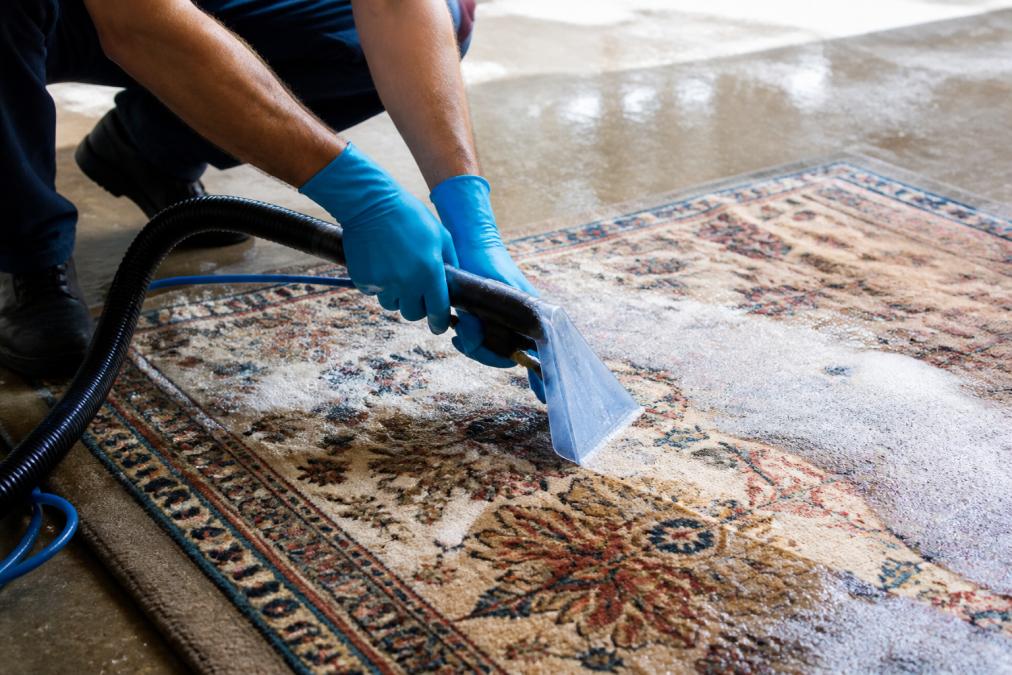
Rug cleaning Macon is a multi-stage process that removes embedded soil, allergens, and odor at the fiber level, not just at the surface. At Mighty Clean Services, we have handled residential and commercial textile care since 2005, and the difference between a rented grocery-store machine and a proper clean comes down to equipment, water temperature, and drying control.
The Deep Cleaning Process: From Pre-Treatment to Soil Extraction
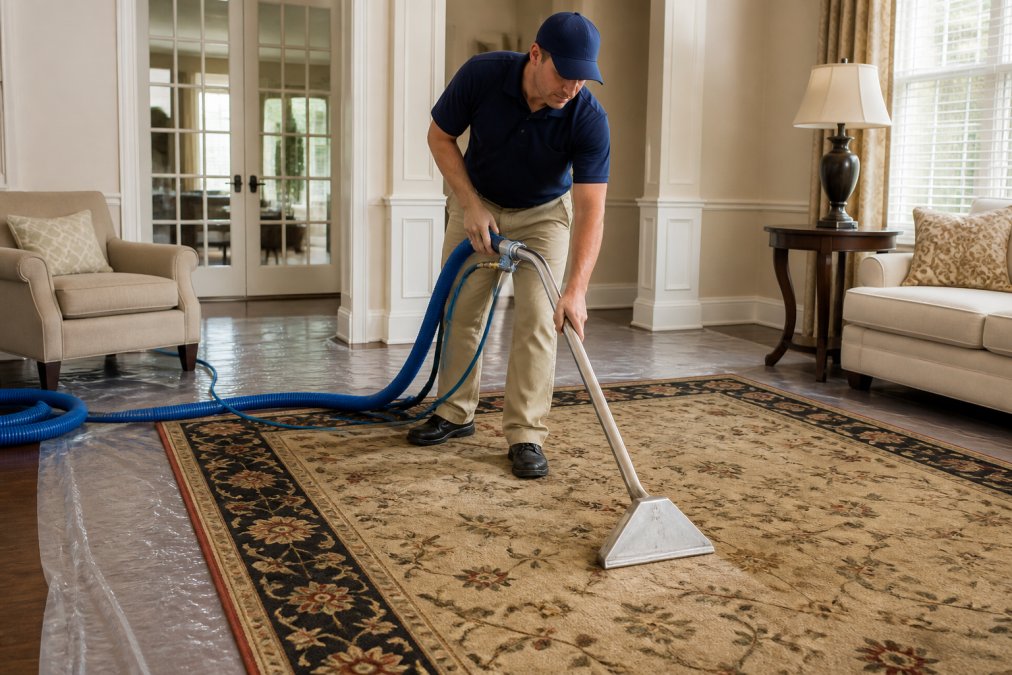
Every rug goes through a defined sequence: fiber identification, dry soil removal, pre-treatment of stains and traffic lanes, agitation, hot water extraction, and controlled drying. Skipping dry soil removal is the most common mistake. Grit left in the pile acts like sandpaper during agitation and wears fibers down faster.
Hot water extraction, often called steam cleaning, flushes suspended soil out of the backing rather than pushing it deeper. That distinction explains why stains return after a cheap surface clean.
Why Local Humidity and Pollen Make a Difference
Middle Georgia's humid summers and heavy spring pollen load mean rugs here hold moisture and allergens longer than in drier climates. A rug that stays damp past 24 hours becomes a mildew risk (the EPA). Proper airflow, dehumidification, and extraction strength matter more in this market than most homeowners realize.
Comparing Professional Rug Cleaning Services in Macon
Comparing rug cleaning Macon providers comes down to four things: certification, method, insurance, and drying process. Price alone tells you very little, because two quotes for the same rug can differ based on method and time on site.
Feature and Certification Comparison Table
| What to Compare | Why It Matters | What to Look For |
|---|---|---|
| Certification | Proves trained textile handling | IICRC or IJCSA credentials |
| Cleaning method | Determines soil removal depth | Hot water extraction, rug spa |
| Insurance | Protects you if a rug is damaged | Licensed and insured status |
| Drying process | Prevents mildew and odor | Air movers, moisture readings |
| Pickup and delivery | Convenience and rug safety | Wrapped transport, scheduled return |
A cleaner who cannot answer these five points directly is a risk on wool, silk, or any delicate fabric.
How to Choose a Rug Cleaner: Credentials, Methods, and Red Flags
Choosing a rug cleaner starts with credentials and method, then moves to fit. Ask what certification the technicians hold, what equipment they use, and how they handle fringe cleaning and colorfastness testing.
Red flags worth taking seriously:
- No physical address or verifiable license
- One flat price quoted over the phone with no inspection
- No colorfastness or fiber test before wet cleaning
- No written drying timeline
- Pressure to decide on the spot
A legitimate provider inspects the rug first. Wool, silk, and viscose behave differently in water, and a cleaner who treats them identically will eventually damage one.
Oriental Rug Cleaning Cost: What Drives the Price
Oriental rug cleaning cost depends on fiber type, rug size, soil level, and whether restoration is needed, not on a flat rate. A hand-knotted wool rug with fringe work takes far longer than a machine-made synthetic runner, and labor is the largest cost line. Because pricing varies this much, Mighty Clean Services quotes after inspection rather than over the phone. That protects you from surprise charges and protects the rug from a method that does not fit its construction.
Typical Price Ranges by Rug Type
Pricing depends on fiber and condition. In-home cleaning usually runs higher because travel and setup are built in.
| Rug Type | Typical Price Range (per sq ft) | Why It Sits There |
|---|---|---|
| Machine-made synthetic (polypropylene, polyester) | $1.50 - $3.00 | Fast dry, tolerant of heat and detergent |
| Machine-made wool | $2.50 - $4.50 | Slower dry, needs pH-controlled solutions |
| Hand-tufted wool | $3.00 - $5.50 | Dense pile holds more soil, longer extraction |
| Hand-knotted wool (Persian, Turkish, Caucasian) | $4.00 - $8.00 | Hand detailing, fringe work, colorfastness testing |
| Silk and silk-blend | $6.00 - $12.00+ | Low-moisture methods, dye-bleed risk, specialist labor |
| Viscose / rayon / art silk | $5.00 - $10.00 | Browning risk, spot testing, controlled drying |
What Adds to the Base Price
- Pet odor and urine treatment: enzyme treatment plus pad or subfloor work
- Water damage or mold remediation: priced by affected area depending on saturation and drying time
- Fringe and edge detailing: hand-cleaning and re-fringing
- Stain-specific spotting: red wine, ink, and dye-transfer stains may need multiple treatment stages
- Pickup and delivery: many shops include it within a radius; outside that radius, expect a mileage fee
- Rush turnaround: expedited return usually carries a surcharge
How to Read a Quote
A legitimate quote should break out the base cleaning rate, any add-on treatments, and the pickup/delivery terms. If a provider quotes one flat number over the phone without seeing the rug, that number is a guess, and it usually gets revised upward once the rug is on the floor. Ask for the square-foot rate in writing, ask what triggers an add-on, and ask whether the quote is binding after inspection.
Why We Quote After Inspection
Fiber, construction, soil level, and hidden damage all change the method, and the method changes the price. A rug that looks like wool from across the room can be a viscose blend that needs an entirely different approach. Inspection takes minutes and prevents the two worst outcomes: a surprise bill and a damaged rug.
IICRC rug cleaning standards overview
How Often to Clean Area Rugs (and When to Call a Pro)
Most area rugs need professional cleaning every 12 to 18 months, with high-traffic and pet households on the shorter end (iicrc.org). Vacuuming weekly handles surface soil; it does not remove the grit packed into the base of the pile. But the calendar is only a starting point, the real question is whether a given problem is something you can handle at home or something that will get worse the longer you wait.
A DIY vs. Professional Decision Checklist
Use this to sort a problem before you spend money on either a rental machine or a pro.
Handle it yourself if:
- The spill is fresh (under a few hours) and you can blot it with a clean white cloth
- The stain is water-based (coffee, juice, mud) on a synthetic rug
- The odor is surface-level and fades after airing and vacuuming
- The rug is a low-value machine-made piece and the risk of a home remedy is acceptable
- You are doing routine maintenance, weekly vacuuming, rotating the rug, shaking out grit
Call a professional if:
- The stain has dried, set, or been scrubbed into the backing
- The rug is wool, silk, viscose, or hand-knotted, home remedies can cause dye bleed, browning, or fiber loss
- The odor persists after airing, which usually means the source is in the pad or subfloor
- You see gray traffic lanes that vacuuming no longer lifts
- There is any visible mold, mildew, or musty smell after humid weather
- A pet accident reached the backing or soaked through to the floor
- The rug has fringe, and the fringe is discolored or fraying
- Anyone in the home has allergies that flare indoors
Why the DIY Line Moves With Fiber Type
On a polypropylene runner, a diluted dish soap solution and a wet vac are low-risk. On a hand-knotted wool rug, the same approach can lift dye, felt the pile, or leave a ring. On viscose or rayon, water itself is the hazard, these fibers can brown permanently when saturated. The fiber, not the stain, usually decides whether DIY is safe.
The Cost of Waiting
A stain addressed in the first hour is often a spot treatment. The same stain addressed a week later may need multiple stages, and a urine accident left in the pad can turn into a subfloor problem. Delaying professional cleaning rarely saves money, it usually moves the job from a cleaning ticket to a restoration ticket.
A Simple Maintenance Rhythm
- Weekly: vacuum both sides where possible, rotate the rug a quarter turn
- Monthly: shake out or beat the rug outdoors to release embedded grit
- Seasonally: inspect the backing and pad for moisture, odor, or pest activity
- Annually to every 18 months: schedule professional deep cleaning
- After any flooding, leak, or pet accident: treat it as urgent, not routine
For households with young children or shedding pets, allergen and pathogen removal is the real reason to schedule, not appearance.
Stain Removal, Pet Odor Elimination, and Delicate Fabric Care
Stain removal success depends on how fast the spill is addressed and what it is. Blotting with a clean white cloth beats scrubbing every time, and scrubbing is what sets a stain permanently into the backing.
Pet odor elimination is a different problem. Urine soaks through to the pad and subfloor, so surface treatment only masks the smell. Enzyme-based treatment reaches the source, and in severe cases the pad needs replacement.
Delicate fabric care covers wool, silk, and viscose. These need lower pH solutions, controlled water temperature, and gentler agitation. Colorfastness testing before cleaning prevents dye bleed, and fringe cleaning is done by hand.
Pickup, Delivery, and Drying: What to Expect
Pickup and delivery logistics matter more than most homeowners expect. Rugs should be rolled, wrapped, and transported flat or on a core, never folded, since creases can crack latex backing.
Drying is where cheap jobs fail. A properly dried rug comes back within 24 to 48 hours using air movers and dehumidifiers, and the cleaner confirms moisture content before returning it. Rugs that come back damp develop odor within weeks.
Mold and mildew water damage is the one problem homeowners cannot safely handle alone, and it is the reason Mighty Clean Services holds Water Damage Restoration and Mold Inspector and Remediation certifications through the International Janitorial Cleaning Association. Our team handles residential and commercial rug, upholstery, and tile and grout cleaning with state-of-the-art equipment and a customer-focused process from pickup to return. Get started with Mighty Clean Services and book an appointment for a rug inspection and quote.
Frequently Asked Questions
How much does professional rug cleaning cost in Macon?
Pricing depends on rug size, material, and the level of cleaning needed. Oriental rug cleaning cost is typically higher than standard area rugs because of delicate fibers and colorfastness concerns. Mighty Clean Services offers free estimates, so you can get an exact quote for your rugs before booking. Ask about any additional charges for stain treatment, odor removal, or pickup and delivery.
How often should I have my area rugs professionally cleaned?
Most rugs benefit from professional cleaning every 12 to 18 months. High-traffic areas, homes with pets, and households with allergy sufferers may need cleaning every 6 to 9 months. In Macon's humid climate, rugs can trap moisture and allergens faster, so annual deep cleaning is a smart baseline. Regular vacuuming and spot cleaning between professional visits help extend the time between deep cleans.
Can professional cleaners remove pet stains from oriental rugs?
Yes, but success depends on how long the stain has been there and the rug's dye stability. Professionals use enzyme-based pre-treatments and controlled moisture to break down pet waste without damaging wool or silk fibers. Older stains that have set may leave faint discoloration. Always tell the cleaner about pet accidents upfront so they can test colorfastness and choose the right approach.
Do professional rug cleaners offer pickup and delivery in Macon?
Many full-service rug cleaning companies in Macon offer pickup and delivery for an additional fee. This is especially useful for large oriental rugs or delicate pieces that shouldn't be transported in a personal vehicle. Ask about turnaround time when scheduling pickup. Mighty Clean Services can confirm whether pickup and delivery are available for your address when you book an appointment.