 how-to
Professional Upholstery Cleaning for Delicate Fabrics
Table of Contents
- Why Delicate Fabrics Need a Different Cleaning Approach
- Upholstery Cleaning Codes Explained: The Key to Fabric Safety
- What You'll Need Before You Start
- Step 1: Test for Colorfastness and Fabric Response
- Step 2: Match the Cleaning Method to the Fabric Code
- Step 3: Professional Spot Treatment for Stubborn Stains
- Can You Remove Pet Stains from Silk Upholstery?
- How Often Should You Professionally Clean Upholstery?
- Post-Cleaning Maintenance Routines
- Frequently Asked Questions
Last Updated: September 4, 2026
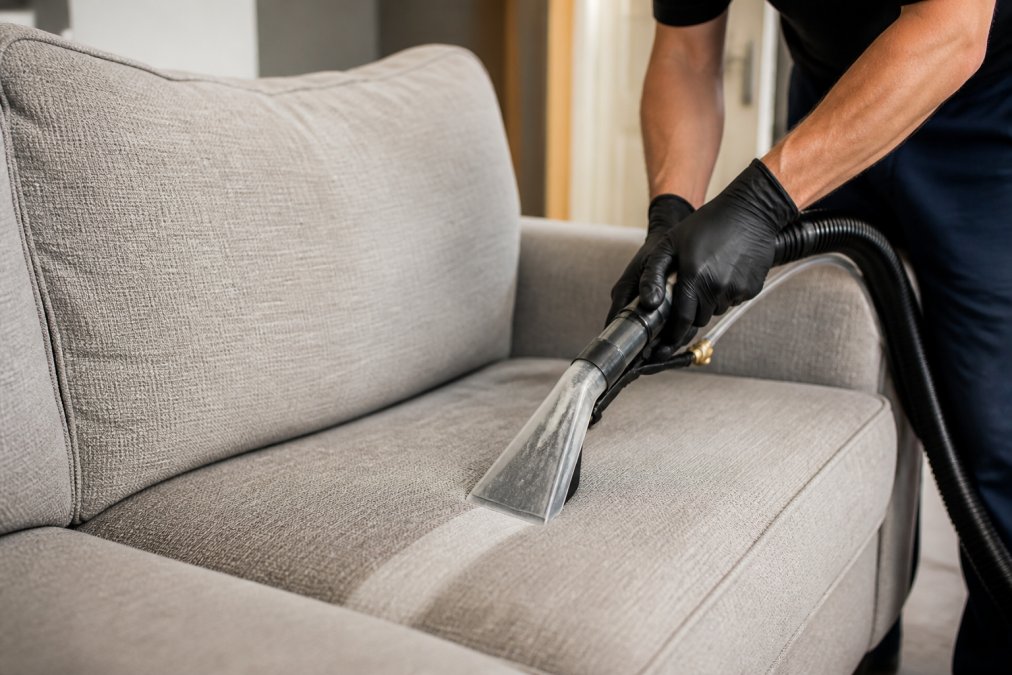
Silk, velvet, and cashmere upholstery can lose their color, texture, or shape in seconds when cleaned with the wrong method. Professional upholstery cleaning for delicate fabrics is about reading the fabric's code and matching the technique to its fiber structure. At Mighty Clean Services, we have spent years working with these textiles, and the most important step happens before any cleaning solution touches the fabric.
Why Delicate Fabrics Need a Different Cleaning Approach
Delicate fabrics are constructed from fibers that react unpredictably to moisture, heat, and friction. Silk can develop permanent water rings, velvet can crush under pressure, and cashmere and jacquard weaves are prone to shrinkage when saturated (peer-reviewed research). These textiles require a cleaning process that prioritizes fiber integrity over aggressive soil extraction.
Most homeowners assume the same rental machine used on a synthetic rug will work on a silk settee. That is where the damage begins. Professional cleaning relies on controlled moisture, pH-balanced products, and low-agitation techniques that lift dirt without stressing the weave.
Upholstery Cleaning Codes Explained: The Key to Fabric Safety
Every piece of upholstery should carry a manufacturer's tag with a cleaning code, and that code determines the entire cleaning strategy. Upholstery cleaning codes explained in simple terms: "W" means water-based cleaning is safe, "S" means only solvent-based or dry cleaning products should be used, "WS" means either method is acceptable, and "X" means the fabric should only be vacuumed, never wet-cleaned.
The Complete Fabric Code Decoder
| Code | Meaning | Common Fabrics | Safe Cleaning Methods | High-Risk Actions to Avoid |
|---|---|---|---|---|
| W | Water-based cleaning safe | Cotton, linen, most synthetics, acrylic, polyester | pH-neutral foam or water-based upholstery shampoo, steam cleaning with controlled moisture | Solvent-based cleaners (can leave sticky residue), excessive water saturation, aggressive scrubbing |
| S | Solvent or dry-clean only | Silk, rayon, acetate, many velvets, some wool blends | Professional dry cleaning solvents, foam solvent applied sparingly, blotting only | Any water-based product (causes shrinkage, dye bleeding, water rings), steam cleaning, over-wetting |
| WS | Either water or solvent safe | Most durable blends, some cottons with synthetic fibers | Both water-based and solvent-based methods, but still test for colorfastness first | High-alkaline detergents, high-heat steam on delicate weaves |
| X | Vacuum only | Some antique fabrics, certain unbacked wall hangings, specialty weaves | Professional vacuuming with soft brush, dry chemical foam only if a specialist approves | Any liquid, any solvent, any steam, any DIY cleaning product |
How to Find and Read the Tag
The tag is usually located under a seat cushion, on a zipper flap, or attached to the bottom of the frame. Look for a series of letters like "W," "S," "WS," or "X", sometimes preceded by the word "Cleaning Code." If the tag is worn or missing, do not guess. A professional can perform a fiber burn test or microscopic analysis to identify the material. For example, silk burns with a smell like burnt hair and leaves a brittle black bead, while polyester melts into a hard plastic bead. This identification is critical because a code "S" fabric cleaned with water can shrink or bleed dye, while a code "W" fabric treated with solvent may develop a sticky residue that attracts dirt faster.
The Hidden Trap: Code "S" Fabrics and Water-Based Spills
A spilled glass of water on a code "S" silk sofa is a serious event. The water penetrates the fibers, causes them to swell, and leaves a permanent ring or roughened texture that cannot be reversed. If this happens, blot immediately with a dry white cloth and call a professional who uses solvent-based extraction. Do not attempt to "clean" the spot with water or a steam machine.
Why the FTC Label Is Not Always Reliable
The Federal Trade Commission guide on upholstery care labels explains that these codes are voluntary but widely used by manufacturers. However, the code only tells you what is safe, not what is effective. A code "W" fabric can still be damaged by a high-pH detergent or by over-wetting that soaks into the padding and causes mold. The code is a floor, not a ceiling, it tells you what will not immediately destroy the fabric, but it does not tell you the best method for your specific soil load or stain type. That is where professional judgment and a pre-cleaning inspection come into play.
The Professional's Approach to Ambiguous Codes
When a tag is missing or the code is unclear, professional technicians follow a standard protocol. First, they test a hidden area with a small amount of water to check for colorfastness and fiber response. Second, they test with a solvent in a different hidden area. If both tests are clean, they may proceed with the gentler method. If either test shows dye transfer, texture change, or beading, they adjust the approach. Most practitioners find that a surprising number of "silk" sofas are actually a silk-rayon blend, which behaves differently from pure silk and may tolerate a different cleaning method than the tag suggests.
What You'll Need Before You Start
Attempting a DIY clean on a delicate piece requires the right toolkit and a strict sequence of steps. Skipping preparation leads to the two most common failures: dirt pushed deeper into the fibers and water stains from over-saturation.
Assembling Your Cleaning Toolkit
For water-safe fabrics, you will need a mild, pH-neutral upholstery shampoo, a soft-bristled brush, white microfiber cloths, and a wet-dry vacuum for extraction. For solvent-only fabrics, you will need a commercial dry cleaning solvent and a clean, lint-free applicator. Avoid colored cloths, as dyes can transfer to the fabric.
The Crucial Pre-Vacuuming Step
Before any liquid is introduced, the fabric must be thoroughly vacuumed. Dry soil sitting on the surface turns into mud when it meets moisture, and that mud gets ground into the weave. Use a soft brush attachment and work in slow, overlapping strokes to lift pet hair, dust, and allergens. The Carpet and Rug Institute's guide on soil removal emphasizes that removing dry soil before wet cleaning is the most effective way to prevent fiber abrasion. This step is critical for households with pets and children, where embedded dander and pollen contribute to indoor allergies.
Step 1: Test for Colorfastness and Fabric Response
The first test is simple: dampen a white cloth with the chosen cleaning solution and press it against a hidden area of the fabric, such as under a cushion or behind a leg. Wait a few minutes, then check the cloth for color transfer. If any dye lifts onto the cloth, the fabric is not colorfast, and wet cleaning will cause streaking.
Professional upholstery cleaning for delicate fabrics always includes this colorfastness check because dye stability varies even within the same batch of fabric. You should also gently rub the fibers to see how they respond to friction. If the surface pills or fuzzes, the fabric requires a gentler hand and lower agitation.
Step 2: Match the Cleaning Method to the Fabric Code
Once colorfastness is confirmed, the cleaning code dictates the method. This is the point where many DIY attempts fail, because using the wrong solvent leaves residue that attracts new dirt faster than before. Before you decide to tackle this yourself, it is worth understanding the real cost-benefit math of DIY versus professional intervention.
The True Cost of a DIY Mistake
A professional upholstery cleaning for delicate fabrics can vary in cost depending on fabric type, condition, and your region. A single DIY mistake that causes dye bleeding, shrinkage, or crushing can turn an investment into a piece that requires reupholstering, which often costs more than the original furniture. Reupholstering a three-seat sofa in silk can be a significant expense in materials and labor alone.
When DIY Is a Reasonable Option
DIY is acceptable for durable code "W" fabrics, such as cotton blends, acrylic, or polyester. These tolerate water, pH-neutral detergents, and moderate agitation. If you have a stain-resistant synthetic blend in a family room, a careful DIY clean with a rented machine can be effective, provided you follow the pre-vacuuming and colorfastness steps outlined earlier.
When DIY Is a Financial Risk
DIY is a high-risk gamble on the following fabrics, even if the code says "W":
- Silk and silk blends: Even water-safe silk can develop water rings if not extracted perfectly. The padding beneath the fabric absorbs moisture and can cause the silk to shrink unevenly as it dries.
- Velvet and chenille: These fabrics crush under pressure. The weight of a rental machine's power head can leave permanent tracks. Pile fabrics require specialized low-moisture techniques and a gentle hand.
- Rayon and acetate: These fibers swell dramatically when wet, even if the code says "W." They can lose their shape and become stiff or distorted.
- Antique or heirloom pieces: The fibers are often degraded and may not respond the same way as new fabric of the same type.
The Hidden Cost of Rental Machines
Rental upholstery cleaning machines from grocery stores or hardware chains are designed for carpets, not delicate furniture. Their spray pressure is too high for silk or velvet, and their extraction suction can pull the nap out of pile fabrics. The detergents they use are often high-alkaline, which can strip the finish from treated fabrics. The "cleaning" these machines deliver on delicate fabrics is often just wetting the surface and pushing dirt deeper into the padding, setting the stage for rapid re-soiling and potential odor issues.
The Professional's Method for Code "S" Fabrics
For code "S" fabrics, which include many silks, rayons, and some velvets, professional cleaning uses solvent-based products that dry quickly and do not cause the swelling that water triggers in certain fibers. The technician applies the solvent sparingly to a cloth and blots the fabric, working from the outside of any stain toward the center to prevent spreading. Professional-grade solvents evaporate completely, leaving no residue that attracts dirt. Consumer-grade solvents from a hardware store may leave a waxy film that dulls the fabric's sheen.
The Cost-Benefit Decision Framework
| Factor | DIY | Professional |
|---|---|---|
| Upfront cost | (rental + supplies) | Pricing depends on fabric type, condition, and other factors. Contact Mighty Clean Services for a quote. |
| Risk of permanent damage | High on silk, velvet, rayon | Low, with certified technicians |
| Equipment quality | Consumer-grade, high pressure | Commercial-grade, controlled moisture |
| Stain identification | Limited to general-purpose products | Trained to identify protein, oil, and tannin stains |
| Padding and odor treatment | Not possible with handheld tools | Can treat the underlying cushion and frame |
| Warranty or guarantee | None | Often includes a satisfaction guarantee |
The Bottom Line
If your furniture is a significant investment and is made of silk, velvet, cashmere, or rayon, the DIY savings are not worth the risk of a costly replacement. Professional upholstery cleaning is not just about the cleaning event, it is about the liability and expertise that protects your investment. For durable synthetic blends, DIY with careful technique is a reasonable choice. For everything else, the professional route is the financially prudent decision.
Step 3: Professional Spot Treatment for Stubborn Stains
Some stains laugh at DIY solutions. Protein-based stains from milk or blood, oil-based marks from lotions, and the tannin in coffee or wine each require a specific chemical response. Professional spot treatment involves identifying the stain type, selecting the correct agent, and using a blotting technique that lifts the contaminant without spreading it.
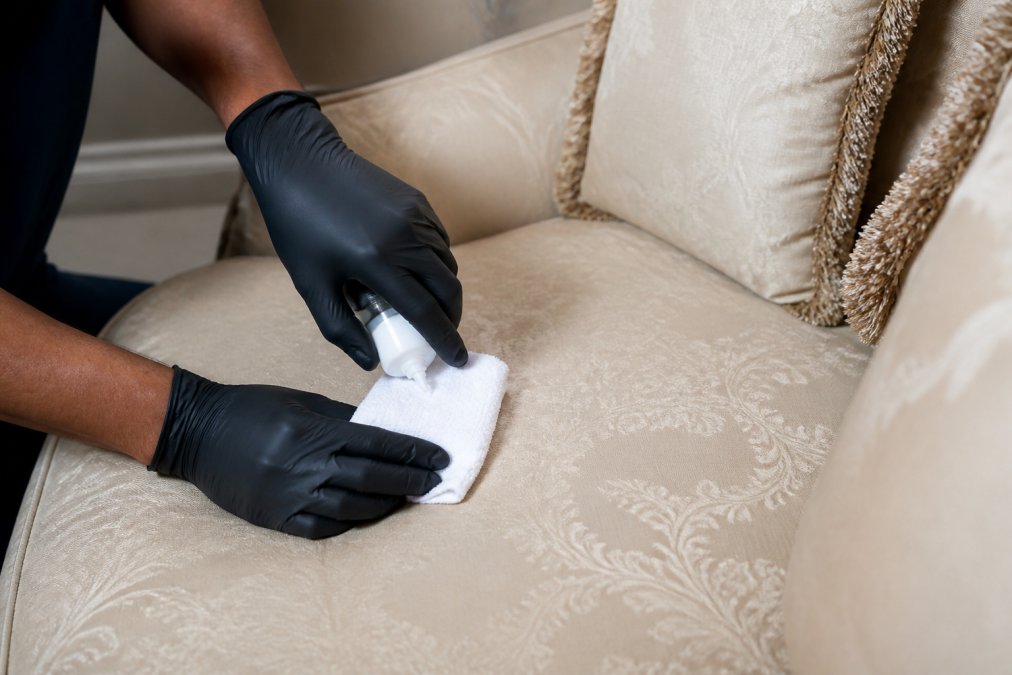
This is where the expertise of a certified technician matters most. At Mighty Clean Services, our team is certified by the International Janitorial Cleaning Association, and we use state-of-the-art equipment to control moisture and extraction precisely. High-temperature vapor and controlled suction allow for deep cleaning that removes the contaminant while protecting the fabric's structure.
Can You Remove Pet Stains from Silk Upholstery?
Yes, pet stains can often be removed from silk upholstery, but the window for successful treatment is narrow. Fresh urine and saliva are water-based and can sometimes be lifted with a gentle blotting technique. Dried or set-in pet stains, however, often require professional intervention because urine crystallizes and can permanently alter the dye in silk.
The answer to can you remove pet stains from silk upholstery depends on two factors: how quickly the stain is treated and whether the fabric's code allows water. For code "S" silk, using water to clean a pet accident will cause more damage than the stain itself. A professional can use solvent-based extraction and specialized enzymes that break down the uric acid without harming the silk fibers. Odor elimination requires treating the padding beneath the fabric, which is nearly impossible with a handheld cleaner.
How Often Should You Professionally Clean Upholstery?
How often should you professionally clean upholstery depends on usage, not a fixed calendar date. For a formal living room sofa used occasionally, a professional cleaning every 12 to 24 months is generally sufficient. For a family room couch that sees daily use, pets, and children, a professional deep cleaning every 6 to 12 months is recommended.
Heavy-use households benefit from more frequent attention because body oils, dust, and pet dander accumulate in the fibers and padding over time. These contaminants degrade the fabric and contribute to indoor allergens. Regular professional cleaning extends the lifespan of the furniture, preserving its color and structural integrity.
| Cleaning Scenario | Recommended Frequency | Primary Goal |
|---|---|---|
| Formal, low-traffic seating | Every 12-24 months | Maintain appearance |
| Family room, daily use | Every 6-12 months | Remove body oils and dust |
| Homes with pets and children | Every 6 months | Allergen and odor control |
| Post-spill or accident | Immediately | Prevent permanent staining |
Post-Cleaning Maintenance Routines
The work does not end when the fabric dries. A post-cleaning routine protects the investment and extends the time between professional visits. Vacuum upholstery weekly with a soft brush attachment to prevent soil from embedding. Treat spills immediately with a blotting motion, never a rub. Consider applying a fabric protector to water-safe textiles, which creates a barrier that makes future spills easier to manage.
Professional upholstery cleaning for delicate fabrics is an investment in the longevity of your furniture. When you choose Mighty Clean Services, you are working with a team that has prioritized customer-focused service since 2005. Our certified technicians understand that silk, velvet, and cashmere require a different standard of care, and we bring the right tools and training to protect them.
Frequently Asked Questions
What upholstery cleaner do professionals use for delicate fabrics?
Professionals don't rely on a single product. They match the cleaning agent to the fabric's cleaning code. For W-coded fabrics like cotton or linen, they use water-based solutions. For S-coded fabrics like silk or rayon, they use anhydrous solvents to prevent water rings and shrinkage. The equipment matters too: professional-grade machines offer controlled low-moisture extraction, which protects delicate fibers from damage and speeds up drying time.
Can you remove pet stains from silk upholstery?
Yes, but it requires immediate and careful action. First, blot up any excess moisture with a clean, dry cloth. Do not rub, as this can damage the delicate silk fibers. Then, sprinkle cornstarch or baking soda on the area to absorb remaining moisture and odor. After it dries, vacuum it up. For stubborn or set-in stains, contact a professional upholstery cleaning service that has experience with solvent-based cleaning for silk to avoid permanent water damage.
Are professional upholstery cleaners worth it for delicate fabrics?
For delicate fabrics like silk, velvet, and cashmere, professional cleaners are often worth the investment. The risk of water damage, shrinkage, or discoloration from DIY methods is high. Professionals have the right solvents, equipment, and training to clean these materials safely. They also perform a pre-vacuuming and spot-testing process to ensure the cleaning method is safe for your specific fabric, which extends the lifespan of your furniture.
How often should you professionally clean upholstery?
For most homes, a professional upholstery cleaning every 12 to 24 months is sufficient. However, you should schedule cleanings more frequently, perhaps every 6 to 12 months, if you have pets, children with allergies, or if the furniture is in a high-traffic area. Regular professional care removes embedded dirt and allergens that daily vacuuming misses, helping to maintain a hygienic home and preserve the fabric's integrity.
Caring for delicate upholstery does not have to be a source of stress. The challenge is knowing which method is safe for your specific fabric and when to call in a professional. Mighty Clean Services provides expert residential upholstery care using state-of-the-art equipment and IJCSA-certified technicians who treat every piece with the attention it deserves. Book an appointment today and give your delicate fabrics the professional care they need to look their best for years to come.
Frequently Asked Questions
Q: What upholstery cleaner do professionals use for delicate fabrics?
A: Professionals don't rely on a single product. They match the cleaning agent to the fabric's cleaning code. For W-coded fabrics like cotton or linen, they use water-based solutions. For S-coded fabrics like silk or rayon, they use anhydrous solvents to prevent water rings and shrinkage. The equipment matters too: professional-grade machines offer controlled low-moisture extraction, which protects delicate fibers from damage and speeds up drying time.
Q: Can you remove pet stains from silk upholstery?
A: Yes, but it requires immediate and careful action. First, blot up any excess moisture with a clean, dry cloth. Do not rub, as this can damage the delicate silk fibers. Then, sprinkle cornstarch or baking soda on the area to absorb remaining moisture and odor. After it dries, vacuum it up. For stubborn or set-in stains, contact a professional upholstery cleaning service that has experience with solvent-based cleaning for silk to avoid permanent water damage.
Q: Are professional upholstery cleaners worth it for delicate fabrics?
A: For delicate fabrics like silk, velvet, and cashmere, professional cleaners are often worth the investment. The risk of water damage, shrinkage, or discoloration from DIY methods is high. Professionals have the right solvents, equipment, and training to clean these materials safely. They also perform a pre-vacuuming and spot-testing process to ensure the cleaning method is safe for your specific fabric, which extends the lifespan of your furniture.
Q: How often should you professionally clean upholstery?
A: For most homes, a professional upholstery cleaning every 12 to 24 months is sufficient. However, you should schedule cleanings more frequently, perhaps every 6 to 12 months, if you have pets, children with allergies, or if the furniture is in a high-traffic area. Regular professional care removes embedded dirt and allergens that daily vacuuming misses, helping to maintain a hygienic home and preserve the fabric's integrity.