 how-to
Why Do Carpet Stains Return After Cleaning?
Table of Contents
- Why Do Carpet Stains Return After Cleaning? The Real Culprits
- Carpet Wicking vs Staining: Spot the Difference
- The Soap Residue Problem: Why Store-Bought Cleaners Fail
- How to Remove Soap Residue from Carpet: A Step-by-Step Fix
- Stop Stains Before They Start: Prevention Tactics That Work
- Professional Carpet Cleaning vs DIY: When to Call in the Experts
- The Bottom Line on Reappearing Stains
- Frequently Asked Questions
Why Do Carpet Stains Return After Cleaning? The Real Culprits
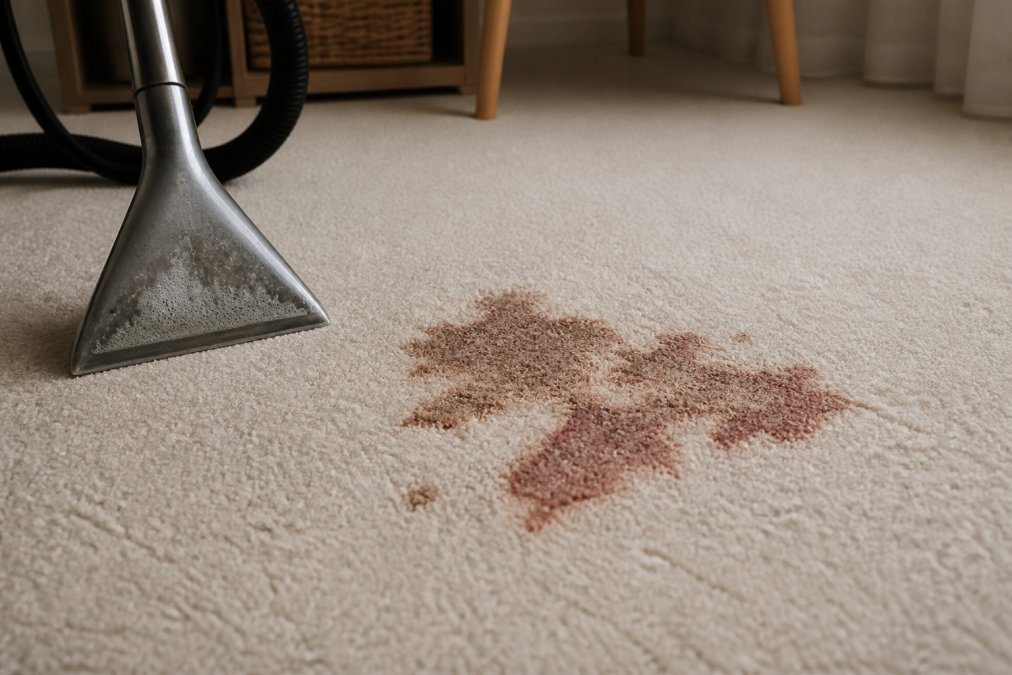
You vacuum, you spot-treat, you rent a machine, and for a week the carpet looks fresh. Then that same brown ring or dark patch reappears. Understanding why do carpet stains return after cleaning is the first step to fixing the problem for good.
The stain never left. Most reappearing spots are old residue and dissolved soil migrating back up as the carpet dries. At Mighty Clean Services, we have seen this pattern hundreds of times since 2005, and the root cause is almost always wicking from the padding below or leftover soap residue. This guide walks you through both culprits and gives a step-by-step fix.
Carpet Wicking vs Staining: Spot the Difference
Carpet wicking is the process where moisture and dissolved soil travel up through the carpet fibers from the padding or backing below, while a true stain is a discoloration bonded directly to the fiber itself. The distinction matters because the two problems require completely different remediation approaches.
Wicking happens because of capillary action. When a spill saturates deep into the padding and cleaning only removes surface dirt, the remaining moisture acts as a vehicle. As the top dries, it pulls that dirty water upward, like a paper towel drawing liquid against gravity. The result is a stain that "returns" hours or days later, often darker.
A true stain, by contrast, has set into the fiber. It will not move or fade with drying; it simply sits there until chemically broken down.
Fiber Type Matters: Synthetic vs. Natural
The behavior of a reappearing spot depends heavily on what your carpet is made of. Most residential carpets in the United States are synthetic, nylon or polyester, because they are stain-resistant and affordable (carpet-rug.org). Natural fibers like wool are less common but behave very differently.
- Nylon: This is the most common carpet fiber and the most forgiving. Nylon is hydrophilic, meaning it readily absorbs water. This makes it prone to wicking if a spill reaches the padding. However, nylon also responds well to hot water extraction because it releases soil easily when the chemistry is balanced. A reappearing stain on nylon is almost always a wicking issue or residue, not permanent damage.
- Polyester (PET): Polyester is hydrophobic, it repels water. This means spills are less likely to wick from the padding. However, polyester is oleophilic, meaning it attracts and holds onto oily soils. A reappearing spot on polyester is more likely to be an oil-based residue that was not fully broken down by a water-based cleaner. It may also be a sign of permanent dye damage if the original spill contained a solvent.
- Wool: Wool is a natural protein fiber that is highly absorbent and sensitive to pH. Alkaline cleaners (common in many DIY products) can damage wool fibers, causing them to yellow or darken permanently. If you have wool carpet, a "returning" stain may actually be fiber damage from the cleaning agent itself, not wicking. Wool also wicks aggressively because each fiber acts like a tiny straw.
The Spot vs. Stain Diagnostic Checklist
Before you reach for another bottle of cleaner, run through this quick visual and tactile checklist to identify what you are actually dealing with. This will save you time and prevent you from making the problem worse.
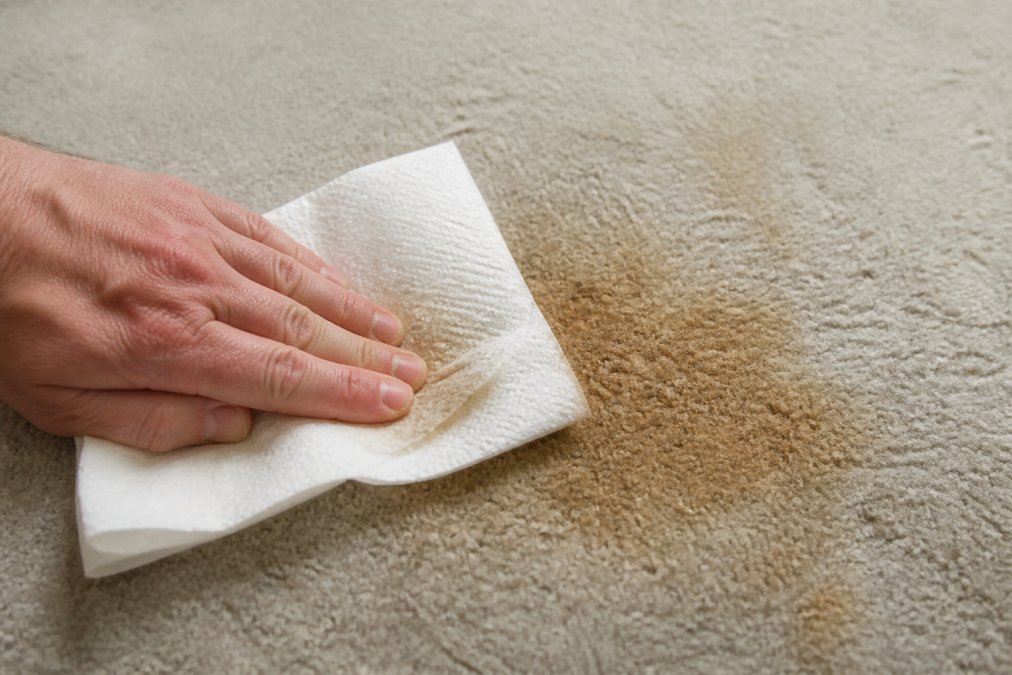
- The White Cloth Test: Press a dry white cloth firmly onto the spot for 10 seconds. If color transfers to the cloth, it is wicking or residue, moisture is still moving. If the cloth stays clean, the discoloration is set in the fiber.
- The Water Drop Test: Place a single drop of plain water on the spot. If the drop beads up and sits on the surface, the fiber has a protective coating or is hydrophobic (polyester). If the drop soaks in immediately, the fiber is absorbent (nylon or wool) and the spot may be deep.
- The Texture Check: Run your fingers across the spot. If the fibers feel stiff, crunchy, or sticky, you are feeling soap residue. If the fibers feel normal but the color is wrong, you are likely looking at a set stain or dye change.
- The UV Check: Examine the spot under bright, direct sunlight or a strong lamp. If the discoloration is uniform and flat, it is likely a dye change. If it has a darker edge or a halo effect, it is wicking, the moisture is still migrating outward.
If your checklist points to wicking, proceed to the remediation steps in the next section. If it points to a set stain, no amount of additional rinsing will help; you will need a targeted chemical treatment or professional intervention.
The Soap Residue Problem: Why Store-Bought Cleaners Fail
Most DIY carpet cleaning fails not because the machine is weak, but because the chemistry is wrong. Store-bought solutions and rental machines rely on surfactants that lift dirt but do not rinse thoroughly, leaving a sticky residue that acts like glue for new dirt.
This explains why carpet stains return after cleaning even when you did everything "right." The residue left in the carpet pile attracts soil at a faster rate than untreated carpet, a phenomenon known as rapid re-soiling. The cleaning actually made the carpet dirtier over time by leaving a chemical bond between the fiber and airborne dust.
The pH balance also plays a role. Alkaline cleaners break down organic soil well, but if not neutralized or extracted properly, the residue continues to attract moisture and dirt from the air, creating a dingy, gray appearance across the traffic lane over weeks.
How to Remove Soap Residue from Carpet: A Step-by-Step Fix
If you suspect soap buildup is the culprit, the fix is a thorough rinsing process, not another round of spot treatment. Here is a practical, DIY-friendly approach:
- Test for residue first. Spray a small area with plain water and blot with a white cloth. If you see suds or brown discoloration on the cloth, residue is present.
- Flush with plain hot water. Use a spray bottle or the hose attachment of a rented machine without any cleaning solution. The goal is to dissolve and dilute the old detergent.
- Extract aggressively. Pull as much water out as possible with the machine's suction.
- Repeat the flush-and-extract cycle two or three times until the extracted water runs clear.
- Dry quickly. Use fans and open windows to speed evaporation. The longer the carpet stays damp, the more time wicking has to pull new stains up.
The Chemical Interaction Trap: Why Mixing Cleaners Backfires
A common mistake that leads to recurring stains is layering different cleaning products on the same spot over time. Each product leaves a chemical footprint, and when those chemicals interact, the results can be worse than the original stain.
- Alkaline + Acid: Many general-purpose carpet cleaners are alkaline (high pH) to break down protein and organic soils. If you later apply an acidic cleaner, such as a vinegar-based solution or a citrus spot remover, the two can react and form a salt residue. That salt is hygroscopic, meaning it attracts moisture from the air, keeping the spot perpetually damp and prone to re-soiling.
- Surfactant + Surfactant: Different brands use different surfactant chemistries. When you mix them without a full rinse in between, they can form a thick, gel-like residue that is nearly impossible to remove with a home machine. This gel traps dirt and creates a dark, sticky patch that reappears within days.
- Oxygen Bleach + Ammonia: If you used an oxygen-based cleaner (like hydrogen peroxide) on a pet stain and later used an ammonia-based product, the chemical reaction can cause foaming deep in the carpet pile. That foam pushes soil upward, creating a new wicking event even if the original spill was fully extracted.
The pH Neutralizer Step Most DIYers Skip
Professional systems often finish with a pH-neutralizing rinse. Most cleaning agents are alkaline or acidic, and leaving the carpet in either state attracts soil. A balanced pH (around 7.0) leaves the fiber chemically neutral and less sticky.
For a DIY approach, after your final hot-water flush, you can make a mild neutralizing rinse: mix one tablespoon of white vinegar per gallon of water. Vinegar is acidic (around pH 2.5), so it will neutralize alkaline residue. However, do not use vinegar on wool carpet, the acid can damage the protein fibers. For wool, use a commercial neutral rinse or plain water only.
When the Rinse Cycle Is Not Enough
If you have flushed and extracted three times and the spot still reappears after drying, the residue may have penetrated into the carpet padding. At this point, a home machine cannot reach deep enough. The options are:
- Professional hot water extraction with a truck-mounted unit that generates higher water temperatures and stronger suction.
- Padding replacement in severe cases where the padding is saturated with detergent or contaminated with bio-soil. This is a last resort but is sometimes the only way to stop a recurring wicking stain.
Stop Stains Before They Start: Prevention Tactics That Work
The easiest stain to remove is the one that never sets. Prevention starts with speed. Blot spills immediately with a clean, dry cloth, working from the outside edge inward to avoid spreading. Do not rub; rubbing pushes the liquid deeper into the carpet pile and increases the risk of saturation reaching the padding.
For pet accidents and other liquid spills, the goal is to prevent the moisture from ever reaching the sub-surface. Place a heavy stack of dry towels over the spot and stand on them for a minute to absorb as much liquid as possible. Follow with a targeted enzyme cleaner designed for the specific stain type, then blot again.
Professional Carpet Cleaning vs DIY: When to Call in the Experts
Rental machines operate at lower water temperatures and weaker suction than professional truck-mounted systems, so they cannot extract moisture from the backing or padding effectively. If your carpet is heavily saturated or the padding is compromised, DIY cleaning will not resolve the wicking.
Professional deep cleaning addresses the root cause of reappearing stains. Certified technicians use hot water extraction with balanced pH solutions and powerful vacuum systems that pull moisture from the sub-surface, not just the top of the pile. The Institute of Inspection, Cleaning and Restoration Certification standards outline the proper methods for extraction and drying that prevent re-soiling after a professional clean.
| Approach | Best For | Key Limitation |
|---|---|---|
| Spot treatment | Fresh, small spills | Leaves residue if not rinsed |
| Rental machine | Routine maintenance | Weak suction, cannot reach padding |
| Professional cleaning | Reappearing stains, heavy soil | Higher upfront cost |
The Bottom Line on Reappearing Stains
Carpet stains that return after cleaning are not a mystery or a sign that your carpet is ruined. They are a symptom of incomplete extraction or leftover cleaning chemistry. Addressing the residue and sub-surface moisture will resolve most cases without replacing the carpet.
For stains that persist despite your best DIY efforts, or for carpets where the padding has been saturated repeatedly, professional intervention is the reliable path. A service that uses state-of-the-art extraction equipment and certified techniques can break the cycle of reappearing stains. The Carpet and Rug Institute's cleaning guidelines recommend professional deep cleaning at regular intervals to maintain fiber condition and indoor air quality.
When you need a thorough, certified clean that addresses the cause rather than the symptom, Mighty Clean Services brings over two decades of residential and commercial experience, IJCSA certification, and equipment designed to extract deeply and rinse completely. We handle everything from stubborn pet stains to delicate upholstery, with a focus on drying times that fit your schedule.
=== FAQ ANSWERS (ARTICLE CONTENT, AUDIT EACH ONE SEPARATELY, SAME RULES) ===
[1] Q: Why do carpet stains reappear after cleaning? A: Carpet stains reappear for two main reasons. First is wicking, where the stain was not fully extracted and the moisture pulls the residue back up from the carpet padding or backing to the surface as it dries. Second is soap buildup, where cleaning products leave a sticky residue that attracts new dirt. Both issues mean the original stain was never truly removed from the deeper layers of the carpet.
[2] Q: Does soap residue cause carpet stains to return? A: Yes, soap residue is a leading cause of reappearing stains. Many DIY cleaning solutions and rental machines leave behind surfactants. This sticky residue attracts dirt and dust, creating a dark, dingy line or spot that looks like the original stain has returned. A thorough rinse with clean, hot water extraction is the only way to remove this soap buildup.
[3] Q: How do you get rid of carpet stains that keep reappearing? A: To stop a reappearing stain, you must clean the entire depth of the carpet, not just the surface. Start by blotting the area with plain hot water to rinse away soap residue, then extract the moisture with a wet/dry vacuum. If the stain is deep, you may need a professional hot water extraction to reach the carpet padding and backing where the residue is trapped.
[4] Q: How long should you stay off carpet after cleaning? A: You should wait until the carpet is completely dry before walking on it, which typically takes 6 to 12 hours. Walking on damp carpet can push dirt deep into the fibers and cause new stains to form. To speed up drying, open windows, turn on fans, and use a dehumidifier. This also helps prevent wicking, as prolonged moisture can pull old stains back to the surface.
Frequently Asked Questions
Why do carpet stains reappear after cleaning?
Carpet stains reappear for two main reasons. First is wicking, where the stain was not fully extracted and the moisture pulls the residue back up from the carpet padding or backing to the surface as it dries. Second is soap buildup, where cleaning products leave a sticky residue that attracts new dirt. Both issues mean the original stain was never truly removed from the deeper layers of the carpet.
Does soap residue cause carpet stains to return?
Yes, soap residue is a leading cause of reappearing stains. Many DIY cleaning solutions and rental machines leave behind surfactants. This sticky residue attracts dirt and dust, creating a dark, dingy line or spot that looks like the original stain has returned. A thorough rinse with clean, hot water extraction is the only way to remove this soap buildup.
How do you get rid of carpet stains that keep reappearing?
To stop a reappearing stain, you must clean the entire depth of the carpet, not just the surface. Start by blotting the area with plain hot water to rinse away soap residue, then extract the moisture with a wet/dry vacuum. If the stain is deep, you may need a professional hot water extraction to reach the carpet padding and backing where the residue is trapped.
How long should you stay off carpet after cleaning?
You should wait until the carpet is completely dry before walking on it, which typically takes 6 to 12 hours. Walking on damp carpet can push dirt deep into the fibers and cause new stains to form. To speed up drying, open windows, turn on fans, and use a dehumidifier. This also helps prevent wicking, as prolonged moisture can pull old stains back to the surface.
Reappearing stains are frustrating, but they are also fixable. The difference between a temporary fix and a lasting clean comes down to extraction depth and proper rinsing. Book an appointment with Mighty Clean Services and get stains removed at the source, not just on the surface.