 listicle
Professional Carpet Cleaning Benefits: A Complete Guide
Table of Contents
- Why Professional Carpet Cleaning Benefits Your Home and Health
- Indoor Air Quality and Allergen Removal
- Professional Carpet Cleaning vs. DIY Methods
- How Often to Professionally Clean Carpets
- The Professional Carpet Cleaning Process Explained
- Professional Carpet Cleaning for Pet Stains and Odors
- Extending Carpet Lifespan and Protecting Your Investment
- Frequently Asked Questions
Last Updated: October 7, 2026
Why Professional Carpet Cleaning Benefits Your Home and Health
When dirt, dust, and allergens accumulate deep within carpet fibers, regular vacuuming cannot reach them. The professional carpet cleaning benefits of deep cleaning extend to your health, your carpet's longevity, and your peace of mind.
Most homeowners don't realize how much embedded debris their carpets hold. Dust mites, pet allergens, and bacteria settle deep into the pile where vacuums cannot penetrate.
The real value of professional carpet cleaning benefits isn't just cleanliness, it's the combination of health improvement, stain removal, and protection of your investment. This guide covers what those benefits mean for you, how professional service compares to DIY methods, and how often to schedule service.
Indoor Air Quality and Allergen Removal
Professional carpet cleaning benefits your indoor air quality by removing trapped allergens and pollutants that regular vacuuming misses. Carpets act like filters, collecting dust, pet dander, mold spores, and bacteria over time.
When technicians use hot water extraction and specialized solutions, they dislodge particles embedded deep in carpet fibers, pulling out allergens that would otherwise remain suspended in the air you breathe.
The process also addresses odor-causing bacteria.
Regular professional carpet cleaning benefits air quality consistently. Many homeowners notice allergies improve within days of a cleaning, and children and pets benefit from reduced airborne pollutants.
Professional Carpet Cleaning vs. DIY Methods
DIY carpet cleaning with grocery-store rental machines might seem cost-effective, but the results rarely match professional carpet cleaning benefits. Rental equipment lacks the power and precision of professional-grade systems.
Rental machines typically use cold or lukewarm water, while professional equipment applies heated water at high pressure.
Professional carpet cleaning benefits also include expertise with different carpet types. Delicate Persian rugs, wool carpets, and synthetic blends each require different approaches, and the wrong solution or technique can cause discoloration or damage.
Another key difference is stain removal.
Drying time also differs dramatically. Professional equipment extracts moisture efficiently, leaving carpets ready within a few hours, while DIY rentals may leave them wet for 24-48 hours.
How Often to Professionally Clean Carpets
How often to professionally clean carpets depends on traffic, pets, household size, and carpet condition. Most homes benefit from cleaning once or twice a year, but the right interval is a judgment call.
Frequency by household and use
| Household type | Typical interval | Why |
|---|---|---|
| Pet owners | Every 6-8 months | Dander, tracked-in soil, and accidents build up faster |
| Families with young children | Every 8-12 months | Higher spill and traffic frequency |
| Light-traffic homes, adults only | Once a year | Slow soil accumulation with regular vacuuming |
| High-traffic commercial spaces | Every 3-6 months | Heavy foot traffic and shorter appearance cycles |
| Homes with allergy or asthma sufferers | Every 6-12 months | More frequent removal of trapped allergens |
These are starting points, not rules. A home with two large dogs and a muddy backyard needs more frequent service, while a single occupant in a no-shoes household may stretch to 18 months.
What actually drives the interval
- Soil load. The more dry soil tracked in, the faster fibers abrade. Regular vacuuming removes much of it, extending time between professional cleanings.
- Moisture and spills. Any spill reaching the backing speeds microbial growth. Treat spills immediately and book a visit if odor lingers.
- Pets. Pet urine is the most common reason homeowners call earlier than planned.
- Carpet color and pile. Light-colored and plush carpets show soil sooner than dark, low-pile styles.
- Air quality goals. If someone in the home has allergies, more frequent cleaning is a reasonable investment.
Seasonal timing
Many homeowners schedule cleaning in spring, after winter tracking and before allergy season, and again in fall before holiday gatherings. Scheduling ahead of heavy-use periods gets more value from each cleaning.
Cost factors and what to expect
Professional carpet cleaning is usually priced by the room, by square footage, or both. The final price depends on:
- Number of rooms and total square footage.
- Carpet condition. Heavily soiled or pet-affected carpet takes longer and may need specialty treatment.
- Fiber type. Wool and delicate rugs often require gentler methods and more time.
- Add-ons. Stain protection, deodorizing, and pet enzyme treatments are typically priced separately.
- Access and setup. Stairs, tight spaces, and multiple levels add labor.
- Method. Low-moisture cleaning is sometimes priced differently than hot water extraction.
The lowest advertised price often covers a small area under ideal conditions, while the final invoice reflects the actual scope. Ask for an itemized estimate before booking.
Carpet warranties and manufacturer care requirements
Most residential carpet warranties require professional cleaning every 12 to 18 months and require that you keep records. Failing to follow care instructions or document cleanings can void coverage for stain, wear, or texture-retention claims. Check your warranty document for:
- The required cleaning frequency.
- Any restriction on cleaning methods (some specify hot water extraction).
- Whether receipts or service records must be retained.
- Whether the cleaner must be certified or use approved products.
A simple folder with dated receipts and the method used is enough for most warranty claims.
Between professional visits
- Vacuum high-traffic areas at least once or twice a week.
- Blot spills immediately; do not rub.
- Use walk-off mats at entrances to catch soil before it reaches the carpet.
- Address pet accidents the same day.
The Professional Carpet Cleaning Process Explained
Understanding the professional carpet cleaning process helps you appreciate the professional carpet cleaning benefits you receive and ask better questions when you book. The method chosen affects drying time, how soon you can walk on the carpet, and how fibers respond over repeated cleanings.
The main cleaning methods and when each is used
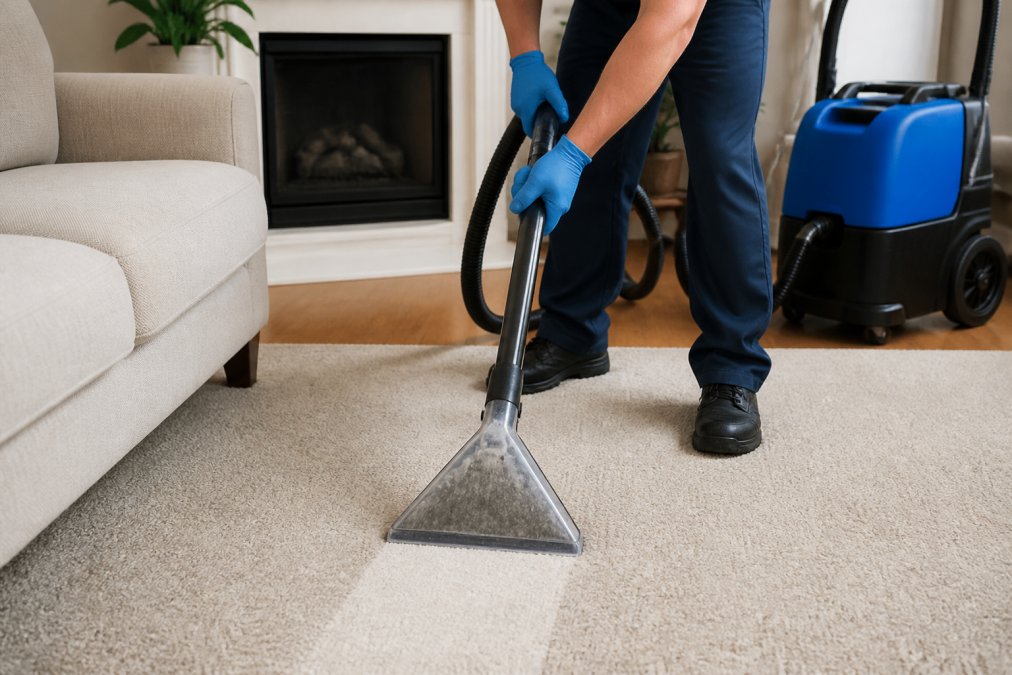
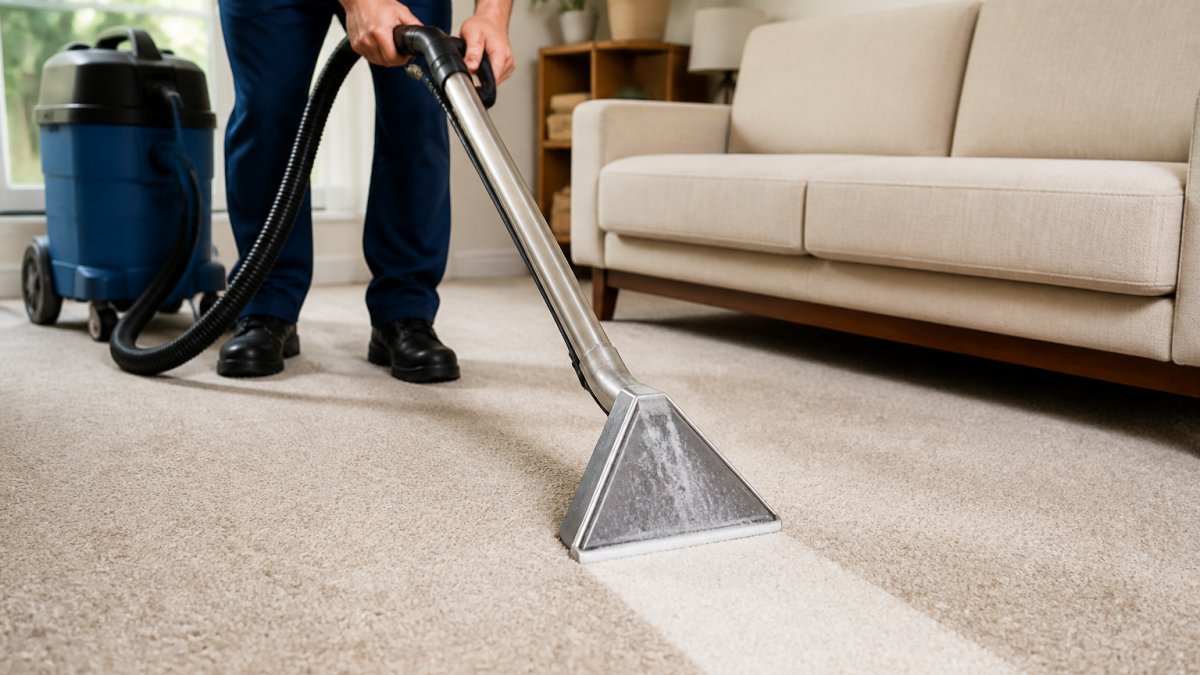
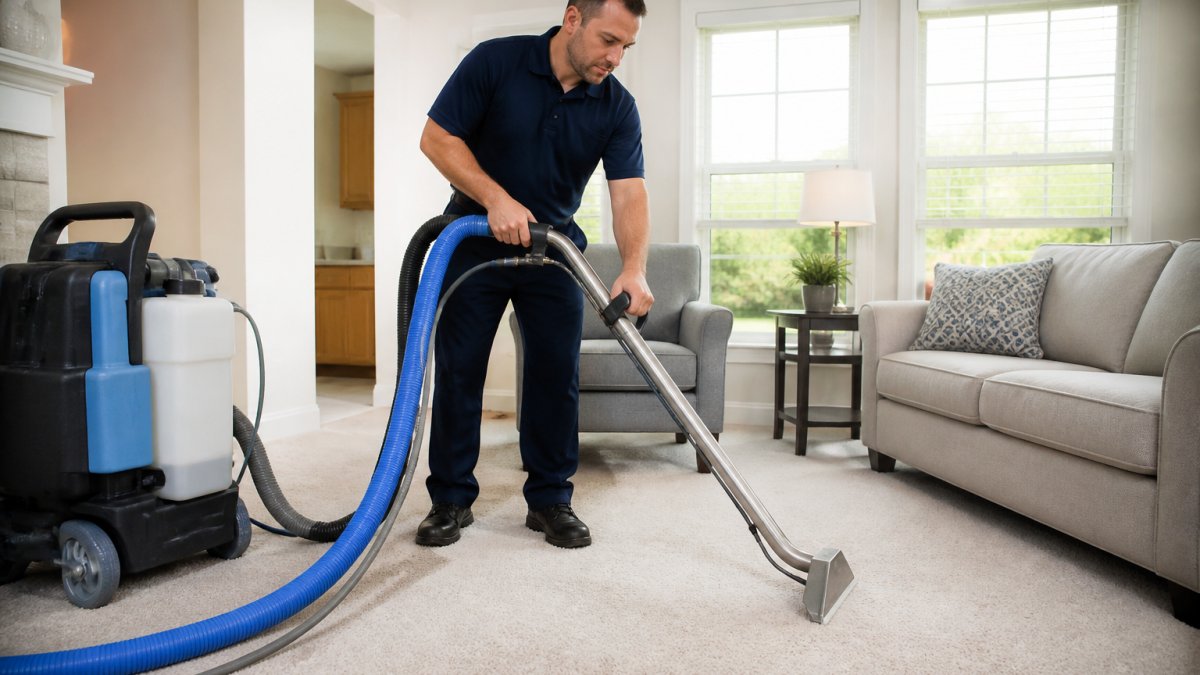
Hot water extraction (often called steam cleaning). The most common method and the one most manufacturers reference. Heated water mixed with cleaning solution is injected into the pile under pressure, then immediately extracted with loosened soil.
Low-moisture or encapsulation cleaning. A specialized solution is worked into the fibers and crystallizes around soil particles, which are vacuumed up once dry. Because little water is used, carpets are ready within an hour or two.
Dry cleaning compounds and bonnet cleaning. An absorbent compound or spinning bonnet lifts surface soil.
Specialty approaches for delicate fibers. Wool, silk, and some natural-fiber rugs may require lower moisture, pH-balanced solutions, or hand detailing.
What actually happens during a visit
- Inspection and fiber identification. The technician checks the carpet type, looks for pre-existing damage, and notes stains, traffic lanes, and odor sources.
- Pre-vacuuming. Most soil in carpet is dry and loose. Thorough vacuuming before any liquid is applied removes much of it and prevents it from turning into mud.
- Pre-treatment. Traffic lanes and spots get a dwell time with a targeted solution so soil releases more easily during extraction.
- Agitation (when needed). A grooming tool or counter-rotating brush works the solution into the pile.
- Extraction. The chosen method is applied, and soil and moisture are pulled out.
- Spot treatment and grooming. Remaining spots are addressed, and the pile is set in one direction for even drying.
- Drying setup. Air movers or fans are positioned, and the technician tells you when the carpet can be walked on.
Drying time, disruption, and preparation
Drying time depends on method, humidity, airflow, and carpet thickness. With hot water extraction, most carpets dry within 4-8 hours with fans and ventilation; humid weather or thick plush can stretch that to 12 hours or more. Low-moisture methods typically dry within 1-2 hours.
Plan for the visit like this:
- Clear the floor. Remove small items, floor lamps, and anything fragile from the rooms being cleaned.
- Move what you can. Light furniture is usually moved by the technician; pianos, aquariums, and large electronics typically are not.
- Protect legs and corners. Foil blocks or tabs under furniture legs prevent staining while the carpet is damp.
- Keep pets and kids off damp areas. Damp carpet can be slippery, and walking on it before it dries can re-soil the pile.
- Expect a few hours of limited access. Plan around the rooms being cleaned rather than the whole house.
What cleaning can and cannot do
Professional cleaning removes much embedded soil, many allergens, and most fresh or moderately set stains, and reduces odor sources when contamination is reachable. What it cannot reliably do:
- Reverse permanent dye stains, bleach spots, or burns.
- Restore fibers already worn flat or abraded.
- Eliminate contamination soaked into the subfloor.
- Guarantee removal of every stain, some set stains leave a faint shadow even after correct treatment.
Setting realistic expectations up front is part of a good service. A technician who promises a perfect result on a 10-year-old stain is overselling.
Professional Carpet Cleaning for Pet Stains and Odors
Pet owners face challenges that showcase professional carpet cleaning benefits most dramatically.
When pets have accidents, urine soaks deep into fibers and backing, and the ammonia smell intensifies as bacteria multiply.
Hot water extraction combined with targeted pre-treatment removes pet stains that seem permanent. Many owners report that professional carpet cleaning benefits include eliminating odors they've struggled with for months.
Professional carpet cleaning also removes pet hair and dander more effectively than vacuuming, extracting hair trapped in fibers and the allergens associated with pets.
Prevention matters too. Protective treatments create a barrier that keeps urine from soaking deep into fibers, containing future accidents to the surface where they are easier to treat.
Extending Carpet Lifespan and Protecting Your Investment
Carpets represent a significant investment.
Embedded dirt particles act like sandpaper, wearing down fibers every time you walk on soiled carpet. This is why high-traffic areas fade and flatten faster.
Regular professional carpet cleaning benefits also prevent color fading. Embedded dirt changes how light reflects off fibers, making colors look dull, while deep cleaning restores original vibrancy.
Manufacturer warranties often require professional cleaning at specified intervals, and many become void without proof of regular maintenance.
Professional cleaning costs far less than carpet replacement.
Mighty Clean Services has helped homeowners protect their carpet investments since 2005.
Professional carpet cleaning benefits extend to every aspect of your home environment.
Frequently Asked Questions
Is it worth getting carpet professionally cleaned?
Yes. Professional carpet cleaning removes deep-set debris, allergens, and bacteria that regular vacuuming cannot reach. It extends carpet lifespan by preventing premature wear, restores appearance and color, and improves indoor air quality. For households with allergies, pets, or high-traffic areas, the health and longevity benefits justify the investment. Professional equipment and cleaning solutions are more effective than rental machines or DIY methods at eliminating stubborn stains and odors that return within months.
How often should you have your carpets professionally cleaned?
Most households benefit from professional cleaning every 12 to 18 months. High-traffic homes, those with pets or children, or allergy-prone environments should consider cleaning every 6 to 12 months. Between professional cleanings, regular vacuuming and spot treatment help maintain carpet condition. Professional cleaning frequency depends on foot traffic, household composition, and carpet warranty requirements. Some manufacturers specify professional cleaning intervals to maintain warranty coverage.
Can professional carpet cleaning remove pet stains and odors?
Professional carpet cleaning is highly effective at removing pet stains and odors. Certified technicians use specialized solutions and equipment designed to break down urine, feces, and other pet-related residue embedded in carpet fibers and padding. Unlike rental machines or DIY methods, professional treatment addresses both surface stains and deep odor sources. However, severely damaged areas or old stains may require additional treatments or padding replacement. Professional cleaning also helps reduce allergens from pet dander, improving air quality for allergy sufferers.
Does professional carpet cleaning help improve indoor air quality?
Yes. Carpets trap dust, dirt, allergens, bacteria, and airborne pollutants. Professional cleaning removes these particles from deep within carpet fibers, reducing the contaminants that circulate in indoor air. This is especially beneficial for families with allergies, asthma, or respiratory sensitivities. A cleaner carpet environment supports healthier breathing and reduces the buildup of harmful particles over time. Regular professional maintenance helps maintain cleaner indoor air compared to relying on vacuuming alone.